


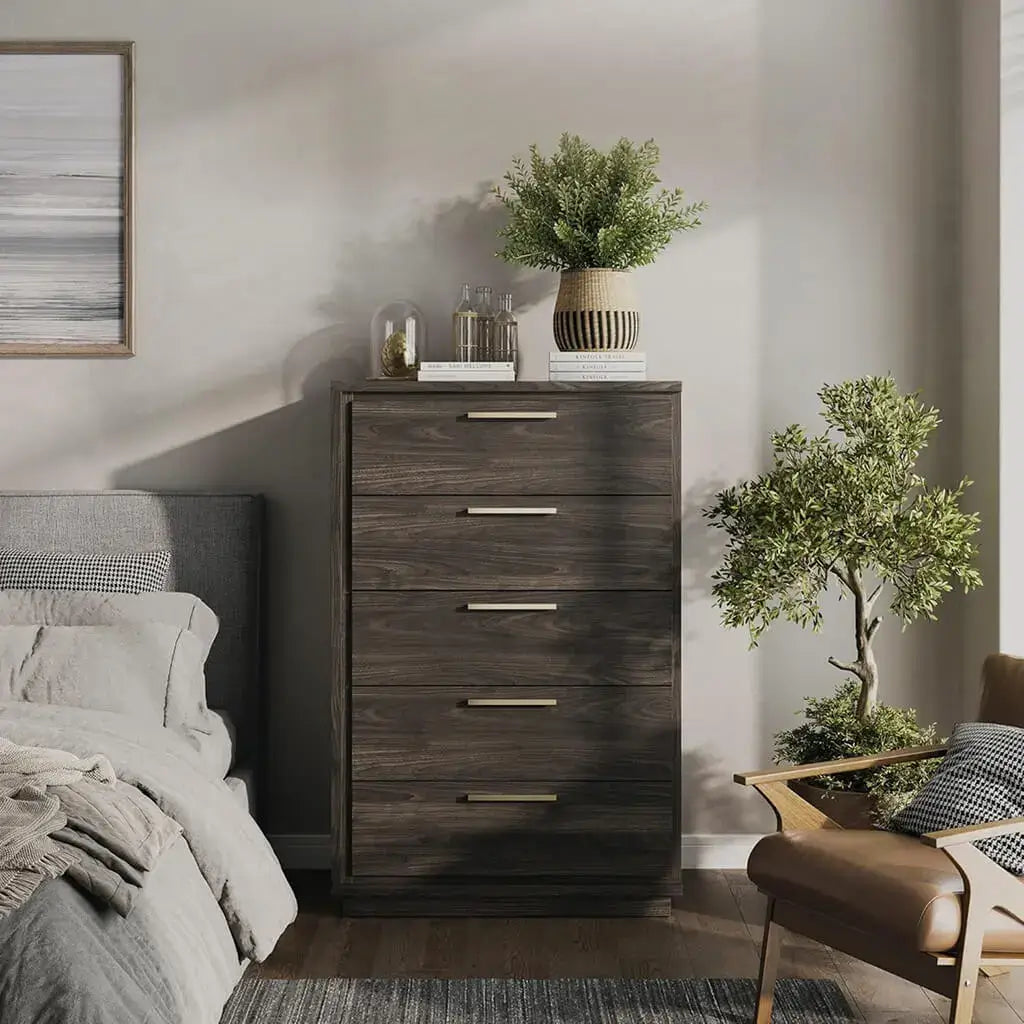
Traditional dressers take up floor space, stretch your budget, and are heavy to move. Lighter storage options feel easier to live with and often cost less.
A bulky dresser can make a small room feel tight. Vertical or hidden storage opens things up and gives you more freedom.
Modern pieces are modular and simple to move, so you’re not dragging a heavy oak dresser again. You can mix open racks and covered bins to match what you own.
Under-Bed Storage
That empty space beneath your mattress? It's essentially a hidden closet waiting to be used. By storing items there, you keep everything out of sight—and your bedroom maintains a clean, uncluttered look.
Here are some options to consider:
- Rolling drawers: Wooden or plastic drawers on wheels slide out smoothly for daily access. The wheels also protect your floor from scratches.
- DIY drawer hack: An old dresser drawer can get a second life. Attach caster wheels to the bottom for a budget-friendly custom solution.
- Platform beds: These frames feature built-in drawers that seal out dust completely, so you won't need extra containers.
- Vacuum-seal bags: Pair these with flat bins to compress bulky items like winter jackets or comforters into a slim profile.
- Bed risers: A simple fix for standard frames—adding a few inches of height creates room for taller storage bins underneath.

Modular Sideboards
For those who prefer closed storage but lack room for a traditional dresser, a modular sideboard offers a practical middle ground. These cabinets sit lower and lighter than a full wardrobe, making them easier to fit into tight spaces.
Here's why they work as an alternative dresser:
- Flexible sizing: You can start with one unit and expand later as your needs change.
- Hidden storage: Closed sections work well for folded clothes, bedding, bags, and everyday items.
- Dual-purpose surface: The top provides space for a lamp, mirror, or décor—just as a dresser would.
- Easy placement: Position it at the foot of your bed, along a wall, or beneath a window without crowding the room.
Belleze modular sideboards feature a relatively narrow depth, so placing them along one side of the bedroom won't take up too much hallway space. For those with moderate clothing needs who still want to preserve countertop space, they prove more practical than traditional dressers.

Garment Racks and Hanging Rods
Homes without closets present a unique challenge. A garment rack solves this by turning your wardrobe into a visible feature while keeping clothes wrinkle-free. Most racks are lightweight and can be assembled or taken apart quickly without tools—a practical choice for renters.
Here are some styles to consider:
- Industrial pipe racks: These metal frames offer a sturdy, modern aesthetic. They can support heavy winter coats without bending or wobbling.
- Nook tension rods: An unused alcove or gap between two walls can become an instant closet. A simple tension rod creates hanging space without any drilling.
- Rotating racks: A 360-degree spinning rack uses minimal floor space while letting you browse your full wardrobe with ease. Corners are an ideal spot for these.
- Dust protection: A stylish fabric cover or curtain draped over the rack shields your clothes from dust and softens the overall look.

Wall Shelves and Bookcases
Vertical storage can transform a small bedroom. By mounting shelves on walls, you keep the floor clear and make the space feel more open. Floating shelves work well for folded clothes, books, and simple décor items.
A tall bookcase offers similar benefits. It takes up less width than a traditional dresser, and many styles include lower cabinet doors that reduce visual clutter. The open shelves above provide quick access to everyday items, while baskets or bins can keep smaller pieces grouped.
Here are some configuration ideas:
- Shelf and rod combo: Mount a floating shelf for folded items, then add a rod underneath for hanging shirts or light jackets.
- Cube organizers: These work nicely for jeans, sweaters, and fabric bins that conceal smaller belongings.
- Geometric displays: Hexagon or honeycomb shelves can hold rolled scarves while adding visual texture to your wall.
- High perimeter shelves: A shelf running close to the ceiling stores bags, seasonal boxes, or anything you don't reach for daily.
- Tall bookcase with lower doors: This setup gives you two storage zones—open shelving on top and hidden space below for items you prefer to tuck away.

Closet Organizer Systems
Sometimes, the most effective dresser alternative is already in your room. Most standard closets have a single rod with unused space above and below. A simple organizer system can reclaim that volume and eliminate the need for external furniture.
Here are some add-ons to try:
- Floor stackers: Stackable plastic drawers or shoe towers turn empty closet floor space into a compact dresser zone.
- Hanging cubbies: These fabric shelves attach to the rod and work well for sweaters that lose shape on hangers.
- S-hooks: An inexpensive way to hang jeans by their belt loops or bags by their straps, freeing up space elsewhere.
- Double hanging rods: A second rod below the first instantly doubles your capacity for shorter items like shirts and skirts.

Storage Ottomans or Benches
Multi-functional furniture is the golden rule of small-space living. A storage ottoman or bench delivers seating and deep storage in a single footprint. Because the lid closes completely, everything inside stays out of sight—reducing visual clutter instantly.
Here are some placement ideas:
- Foot of the bed: A long bench here provides a comfortable spot to put on shoes. The deep chest inside can hold bulky linens or thick sweaters you don't reach for daily.
- Nightstand replacement: Place a small storage ottoman with a tray on top beside your bed. You get hidden storage below and a usable table surface above.
- Window seating: A sturdy bench in a sunny corner can secretly house your entire shoe or handbag collection while creating an inviting place to sit.

Trunks
A trunk offers a stylish, vintage look that plastic bins simply can't deliver. It adds character to the room while providing deep storage for bulky items you don't need to access every day.
Here's how to make the most of one:
- Seasonal rotation: Trunks are ideal for items you won't touch for months—heavy woolens in summer, beach gear in winter.
- Avoid the "black hole": Large trunks can swallow belongings whole. Use smaller inner baskets or vacuum bags to keep items separated and easy to retrieve.
- Surface utility: The flat top doubles as a table for décor, books, or a lamp, giving the trunk a second purpose.

Freestanding Wardrobe or Armoire
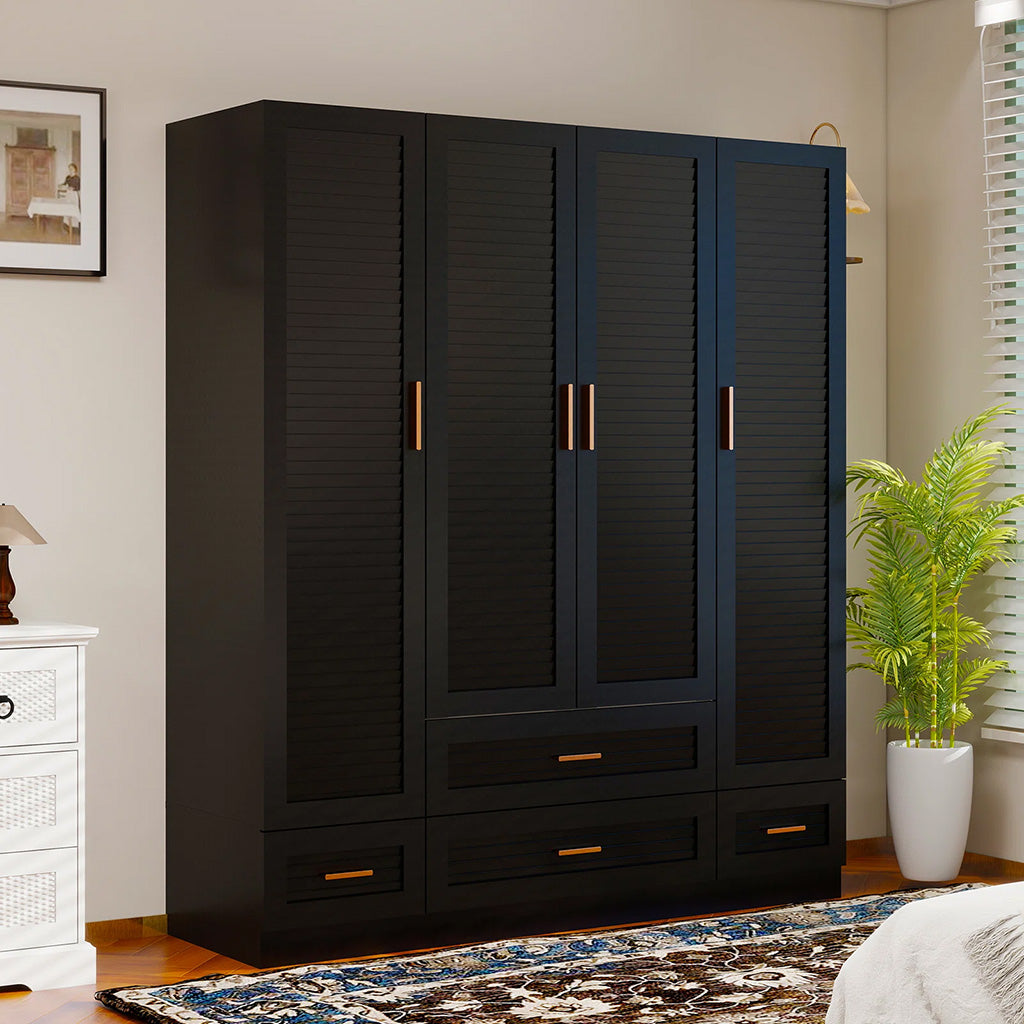
For those who prefer a traditional furniture look but need more hanging space than a dresser provides, an armoire can be a practical choice. These tall cabinets utilize vertical height far better than low, wide dressers—and the doors close on any clutter inside.
Here are some options to consider:
- Fabric or portable closets: A metal frame with a zippered fabric cover offers a lighter, more affordable alternative that's easy to disassemble and move.
- Corner wardrobes: These tall cabinets fit snugly into tight corners, utilizing space that typically goes to waste.
- Visual anchor: A tall piece draws the eye upward, making low ceilings feel higher while giving the room a polished, finished appearance.

Over-the-Door Organizers
The back of your bedroom or closet door offers prime storage space that often goes unnoticed. This "zero-footprint" solution keeps everything off the floor entirely. No drilling is required, making it one of the most renter-friendly options available.
Here's what works best:
- Clear shoe pockets: Don't limit these to shoes. They work well for separating underwear, socks, scarves, and belts—all visible at a glance.
- Hook racks: A heavy-duty rack can hold items you wear between washes, like hoodies, robes, or bags.
- Vertical tiers: Wire or fabric baskets that hang in a column can replace a vanity drawer for accessories and toiletries.

Rolling Carts or Drawer Towers
Borrowed from office and kitchen organization, these mobile units adapt nicely to bedroom use. They're compact enough to tuck into a closet, slide under a desk, or fit in a narrow gap between furniture.
Here are some tips:
- Drawer towers: Plastic or mesh stackable drawers are affordable and work well for sorting socks, underwear, and gym clothes.
- Decorative cover: If the cart looks too utilitarian, drape a piece of fabric over it to soften the appearance and conceal the contents.
- Portability: Wheels let you roll your storage to the laundry area or out of the way when cleaning.

Baskets and Bins
Baskets provide flexible, soft storage that breaks up the rigidity of wood and metal furniture. They allow you to use open shelving without the room looking cluttered.
Here's how to use them effectively:
- Categorization: Assign specific baskets for specific items—one for leggings, another for tees—to maintain order.
- Labeling: Clip-on labels save you from rummaging through multiple bins to find what you need.
- Texture and style: Woven baskets add warmth and hide contents completely. Clear bins work better on high shelves where visibility matters.

Final Thoughts
A traditional dresser isn't essential for a functional bedroom. Modern alternatives often suit small spaces better—especially a hybrid approach that pairs hanging solutions with hidden bins.
Consider your wardrobe first. Do you own more hangable pieces like dresses, or foldables like jeans and tees? Start with one solution, such as under-bed storage, and build from there. These modular systems naturally encourage regular decluttering and tidy habits.
If you're tired of lugging around a heavy dresser and want your bedroom to look cleaner, modular sideboards give you better control over storage capacity and visual bulk.
See modular sideboards that work in small bedrooms →
Related Reading:

Leave a comment
This site is protected by hCaptcha and the hCaptcha Privacy Policy and Terms of Service apply.