


Filters

Be a Part of Our Community
Follow us on social media for the latest updates and inspiration.
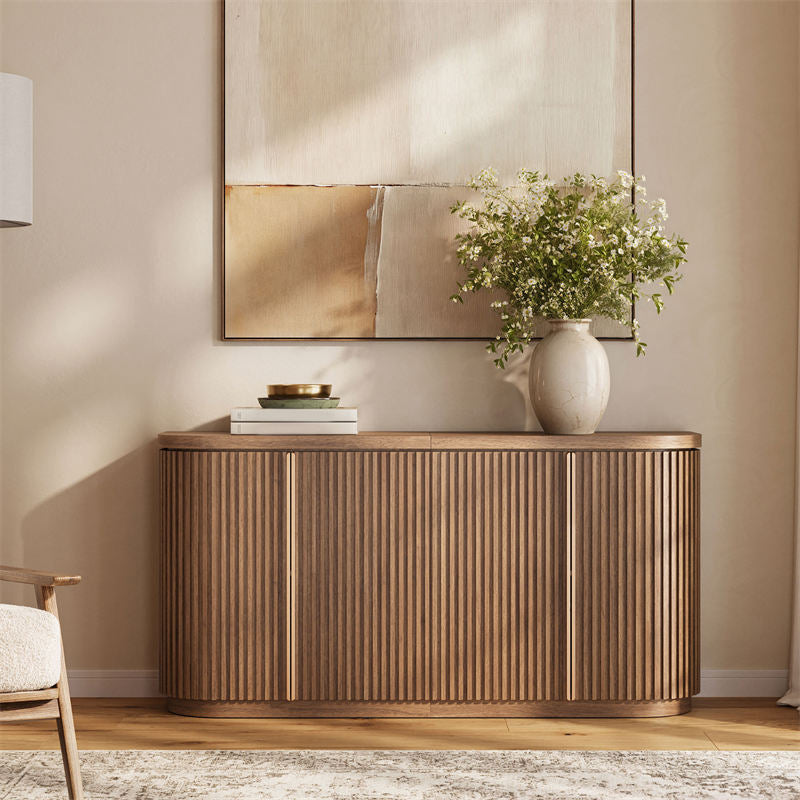
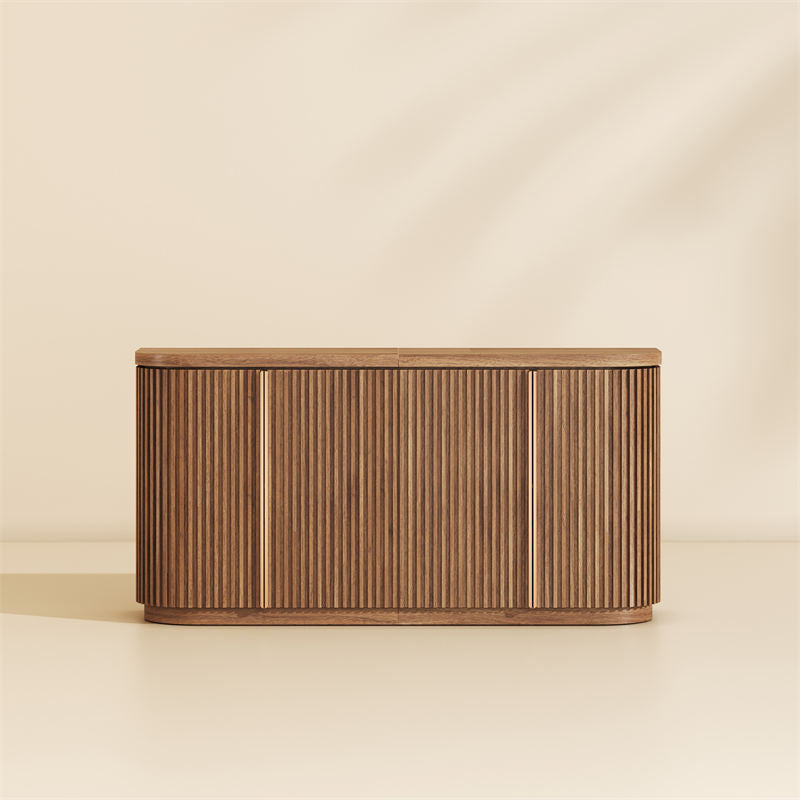
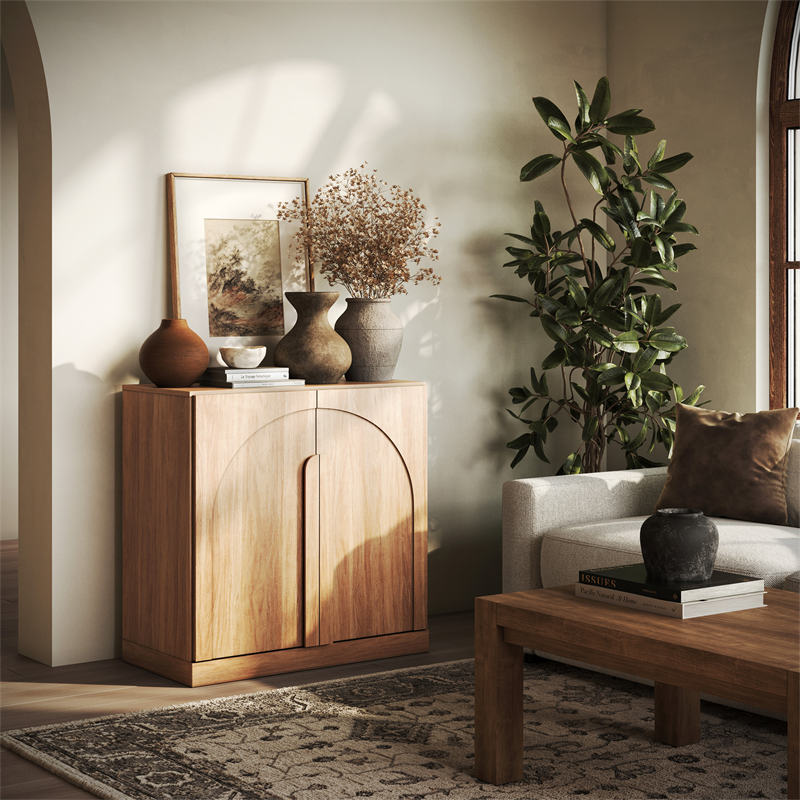
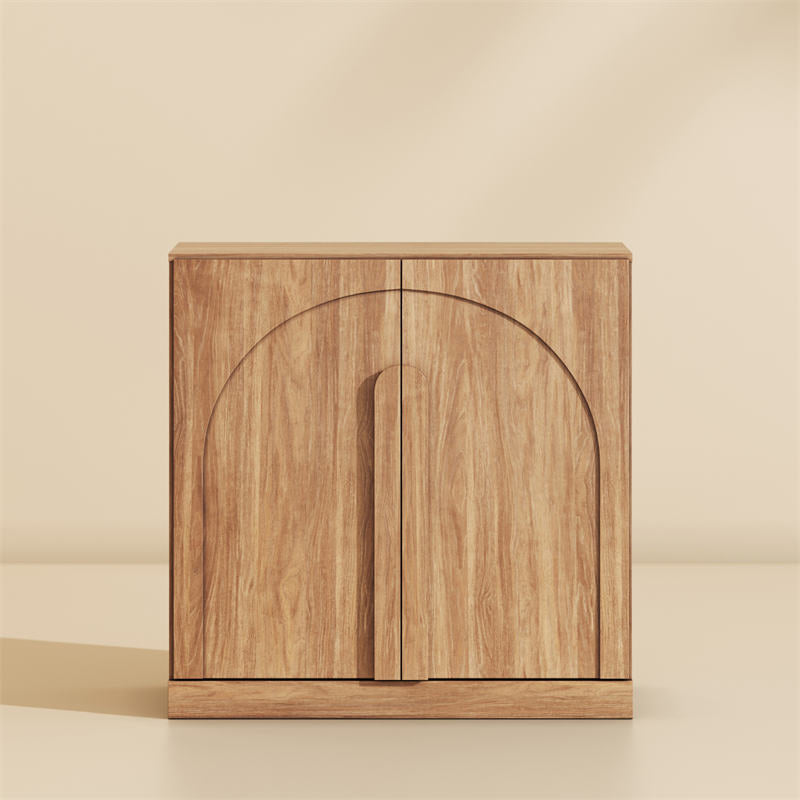
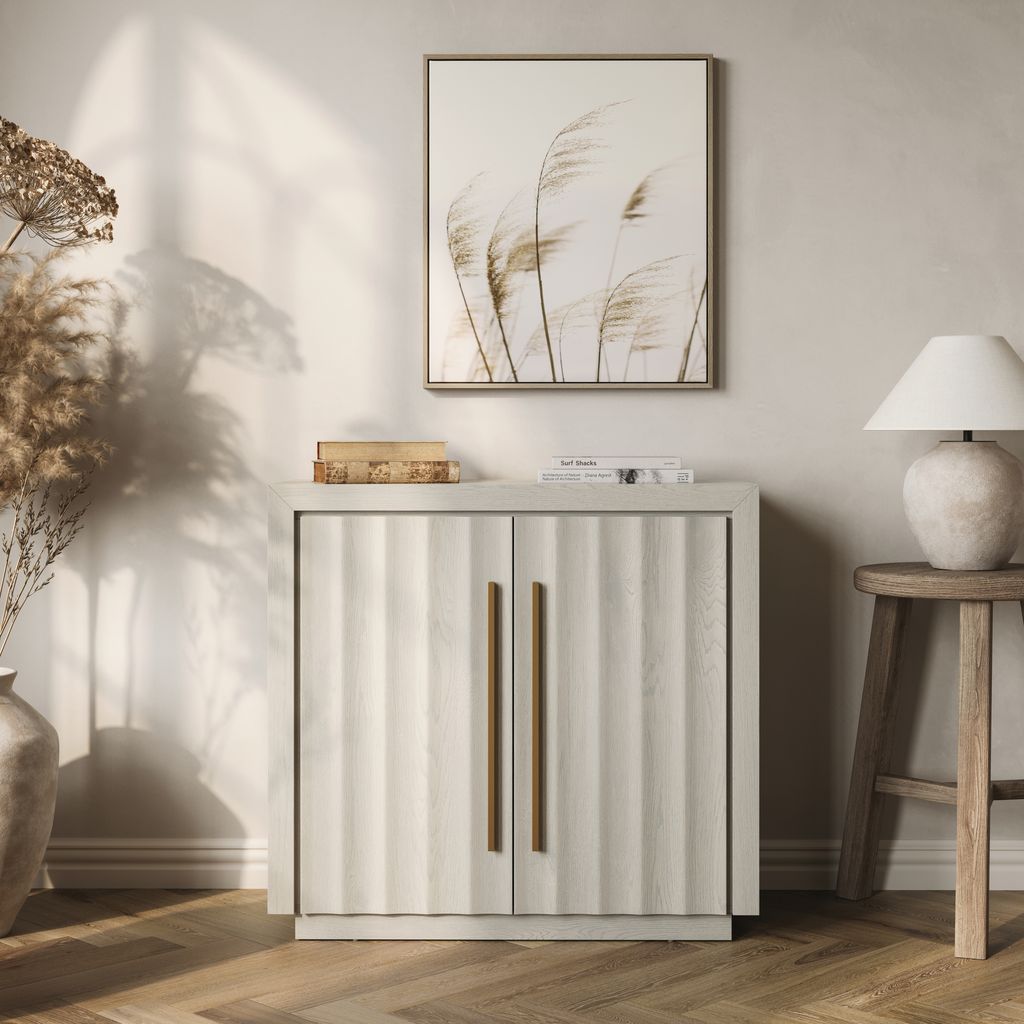
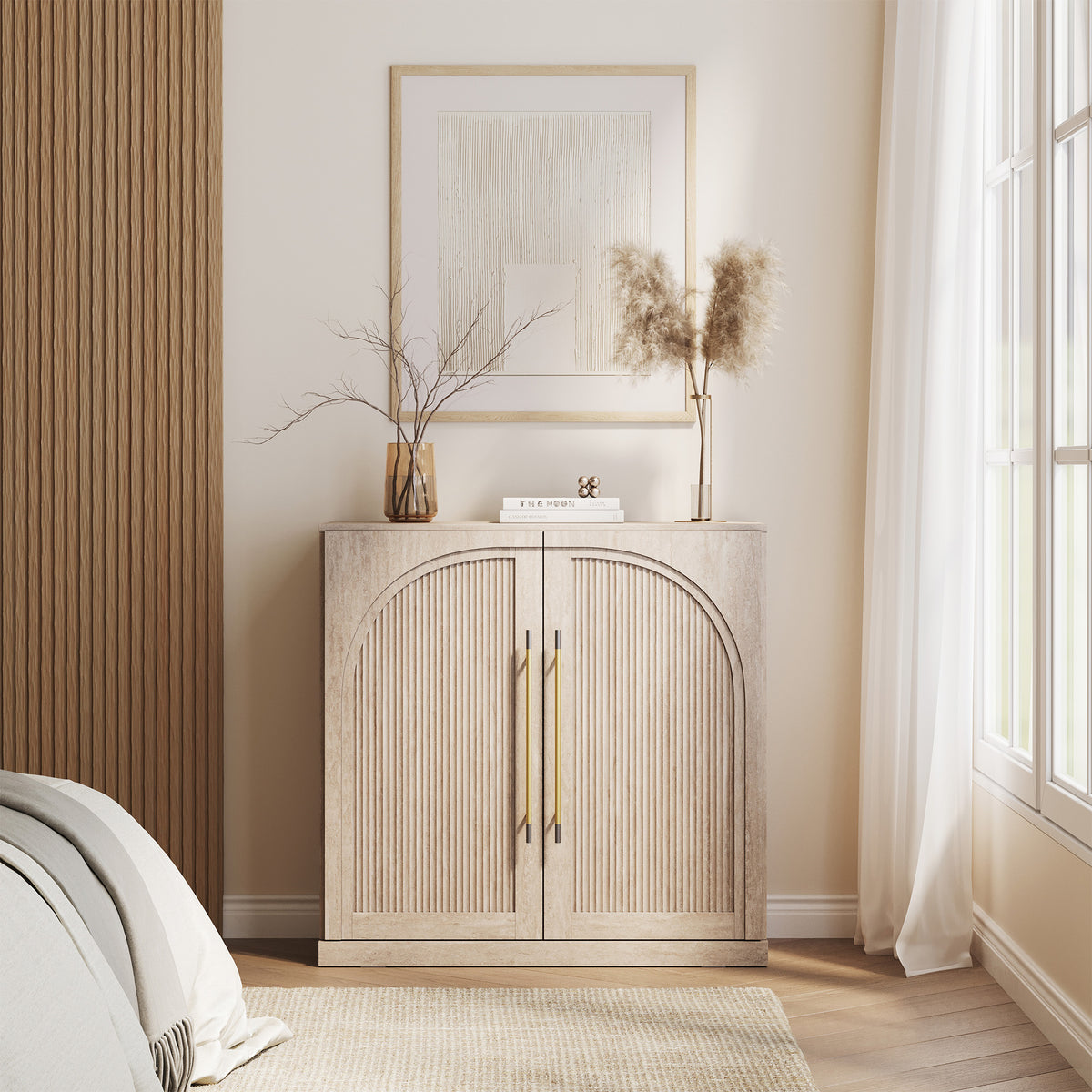
Small-Space Sideboards That Fit Without Taking Over
Big furniture can make a small room feel cramped. A 50-inch sideboard eats up wall space and narrows your walkways. You end up with less room to move and more visual clutter.
But you still need somewhere to put things. Mail piles up. Medicine bottles crowd the counter. Kids' toys scatter across the floor. Without storage, small homes get messy fast.
The Problem With Most Sideboards
Standard sideboards run 48 to 60 inches wide and 18 inches deep. That works in a large dining room. In an apartment or small living room, it blocks traffic and overwhelms the space.
Narrow hallways and entryways create another challenge. These spots need storage the most—for keys, shoes, bags, and daily items. But they have the least room for bulky furniture.
Why Smaller Works Better
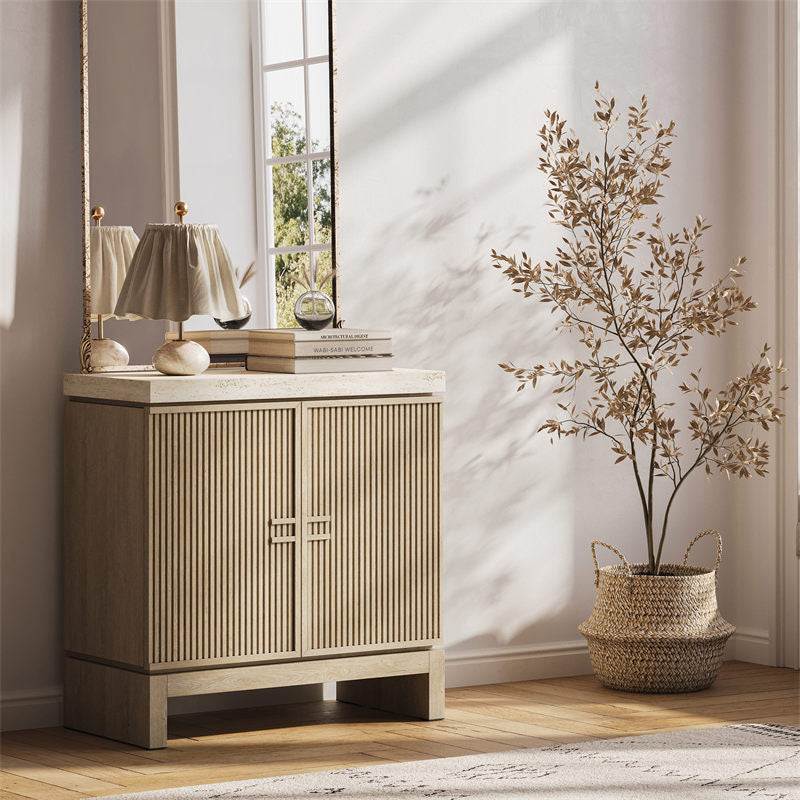
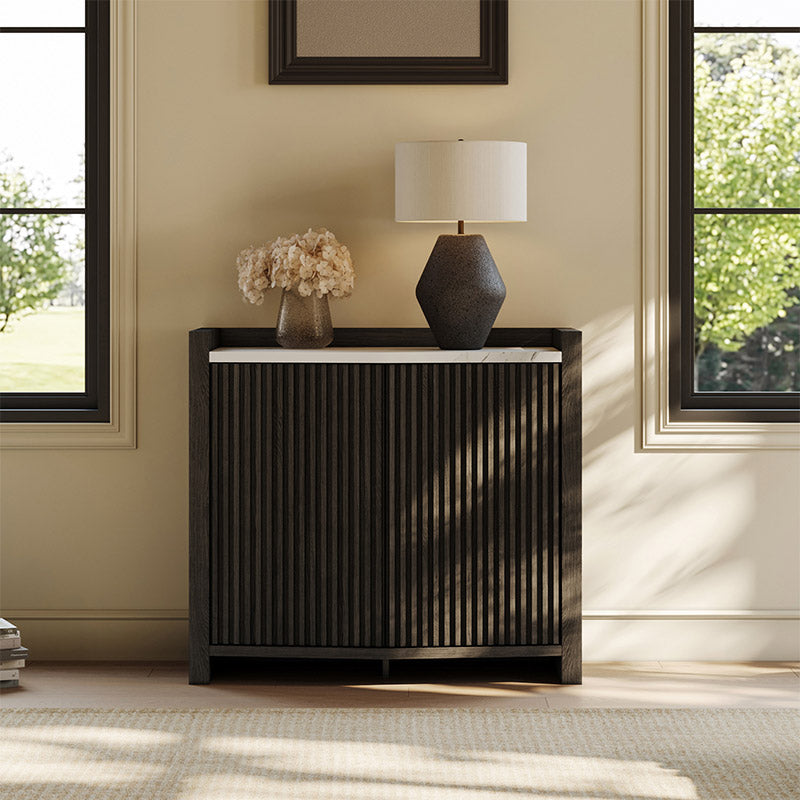
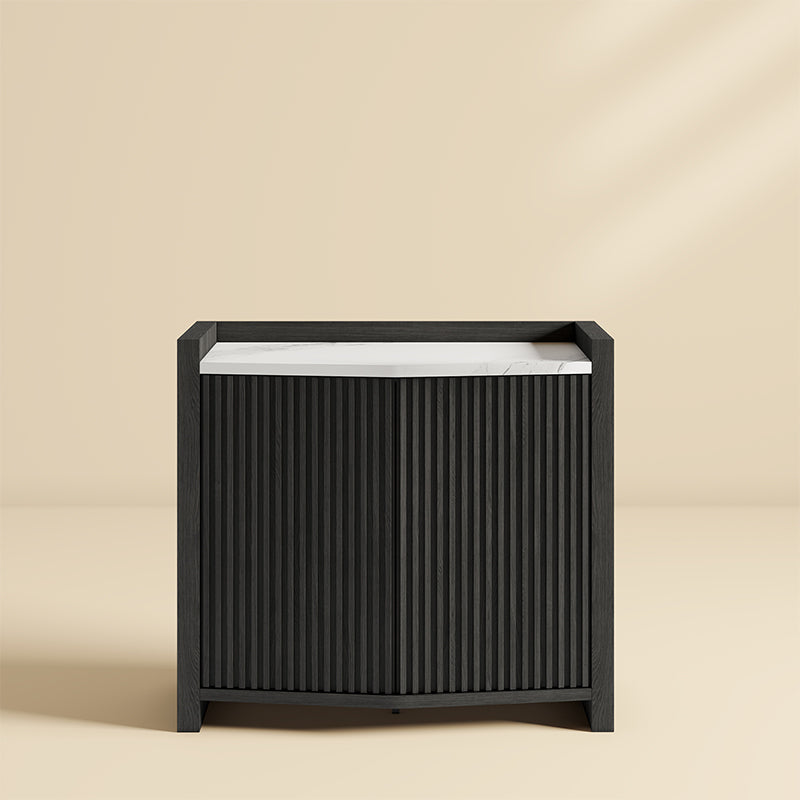
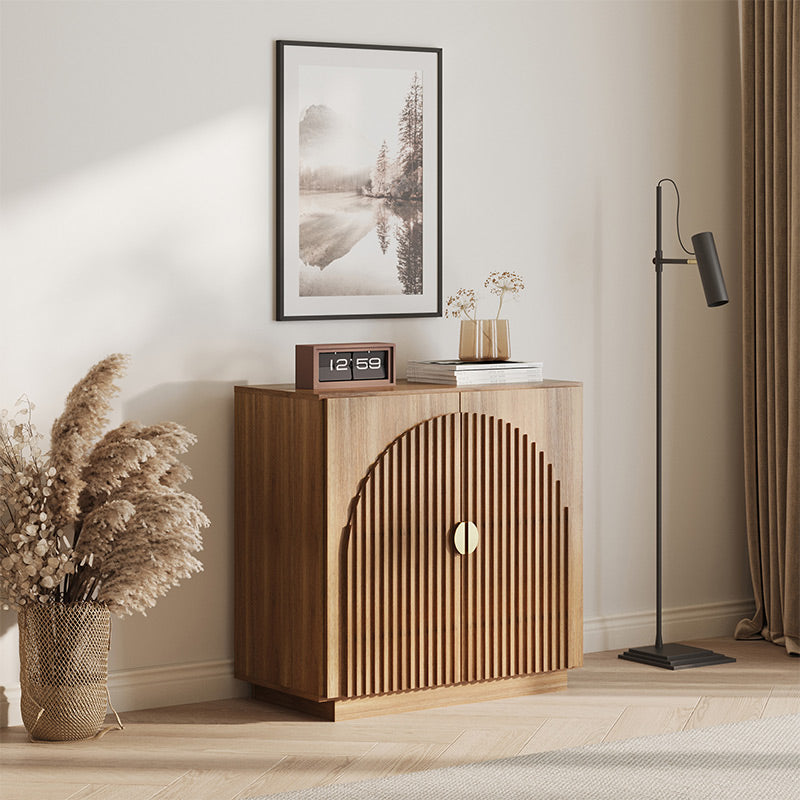
A 31 to 35-inch sideboard fits where larger pieces can not. The compact width tucks into corners, beside sofas, or at the end of a bed. Shallow depth keeps walkways clear.
These smaller cabinets still hold plenty. Adjustable shelves let you customize the interior for whatever you need to store. You get organized without sacrificing floor space.
Choosing the Right Small Sideboard
Different door styles serve different purposes.
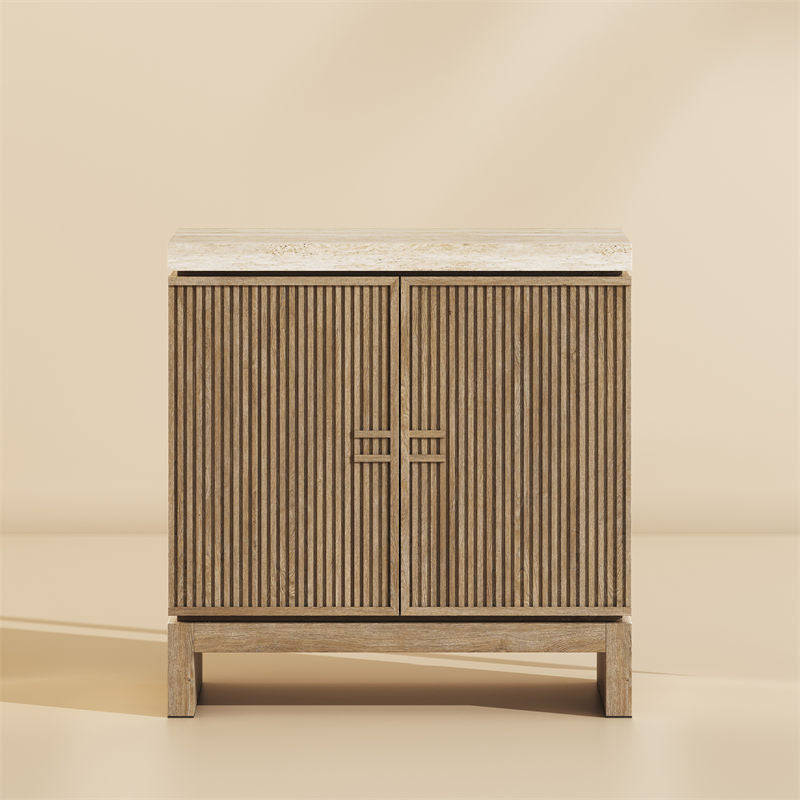
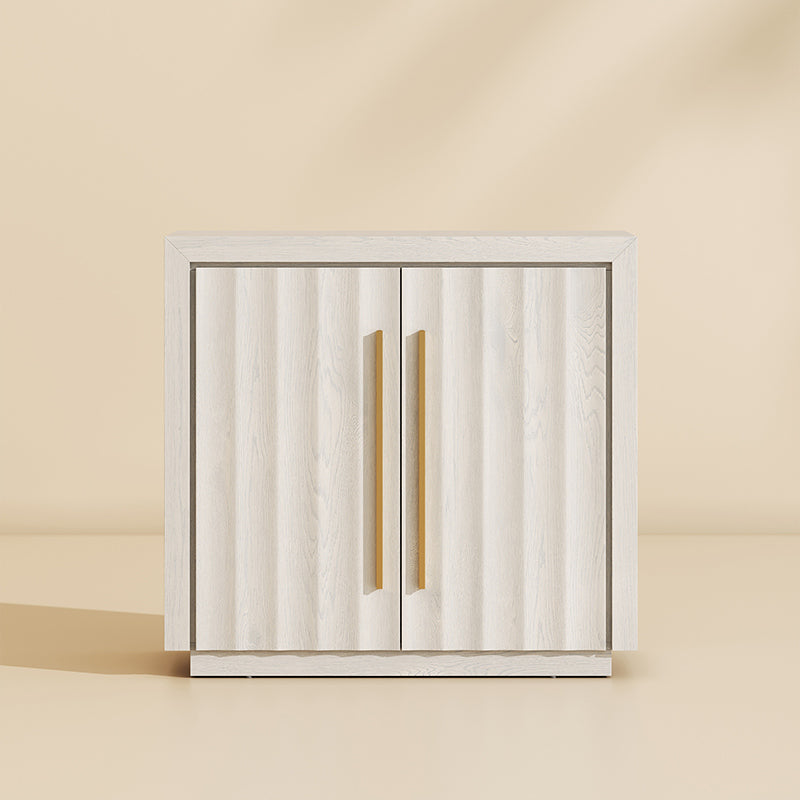
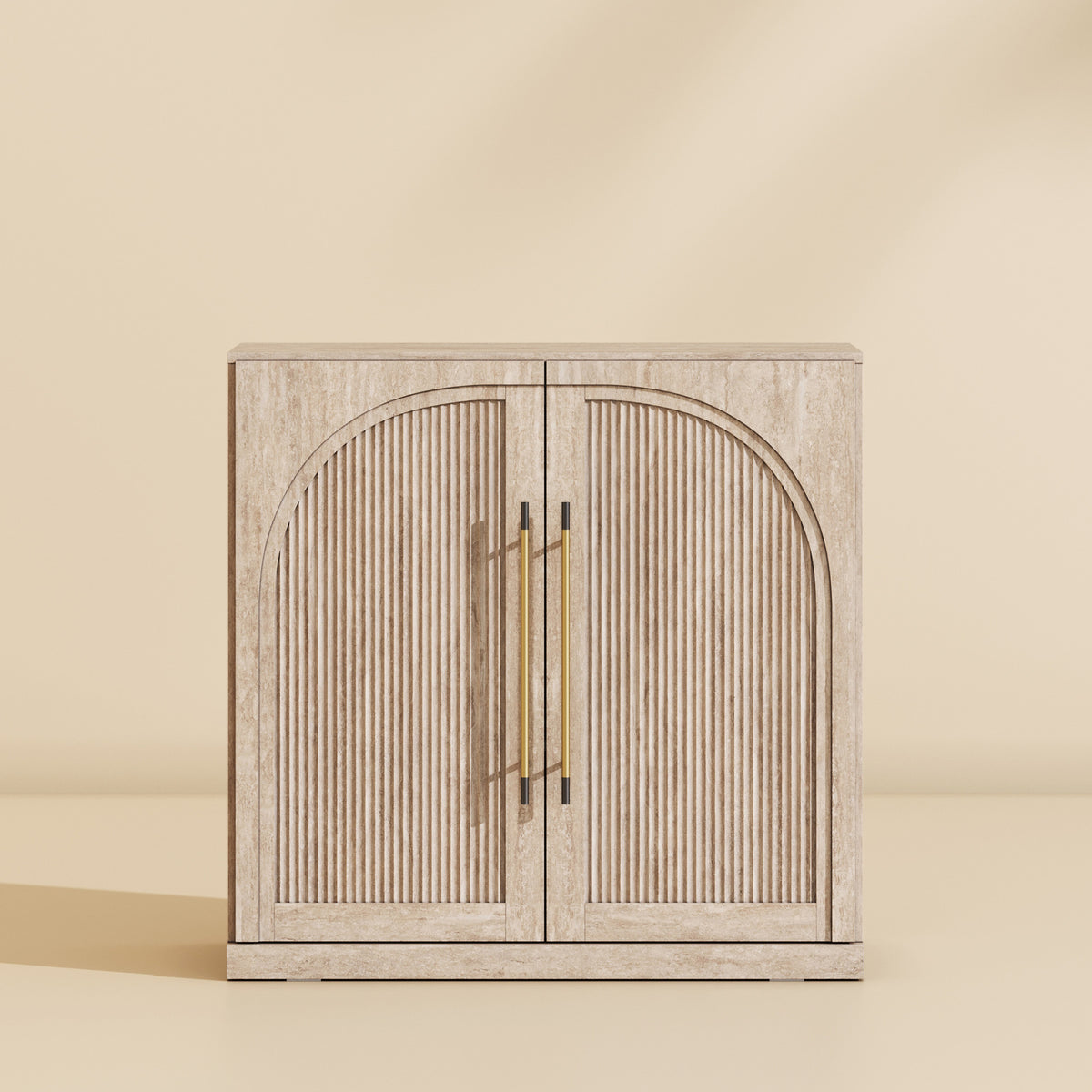
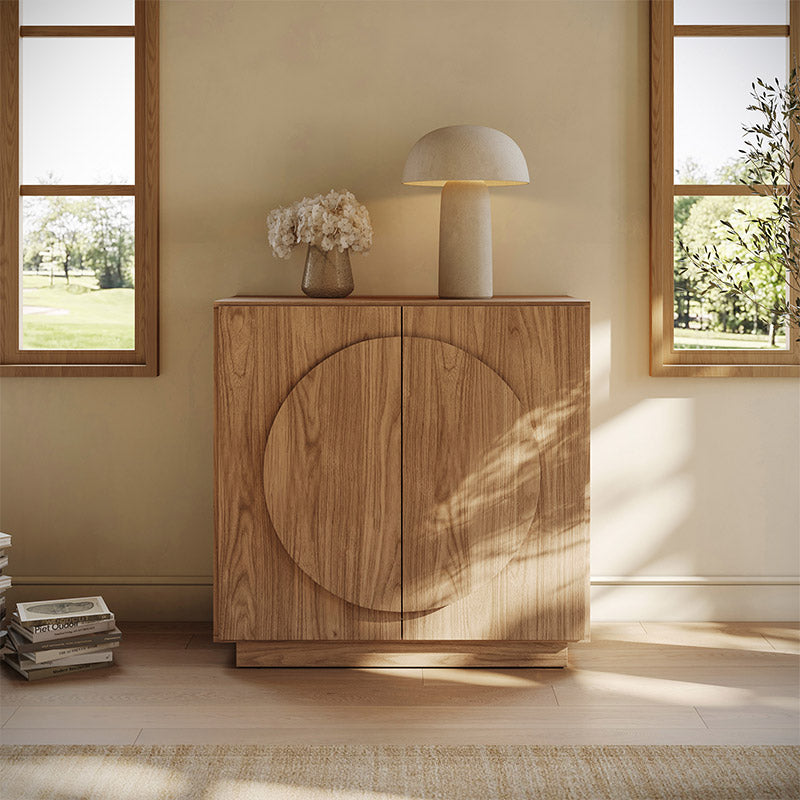
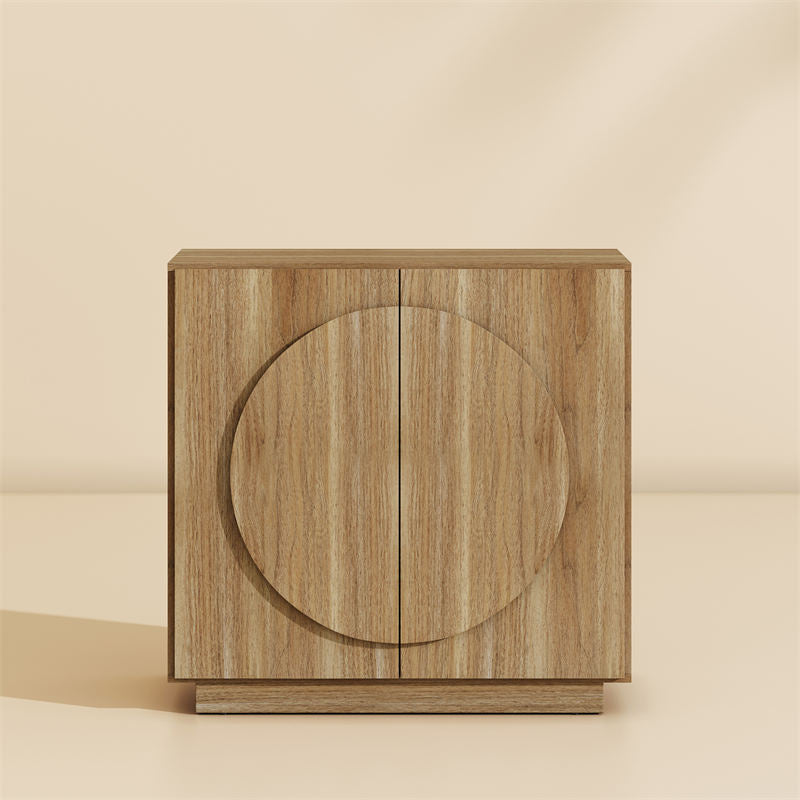
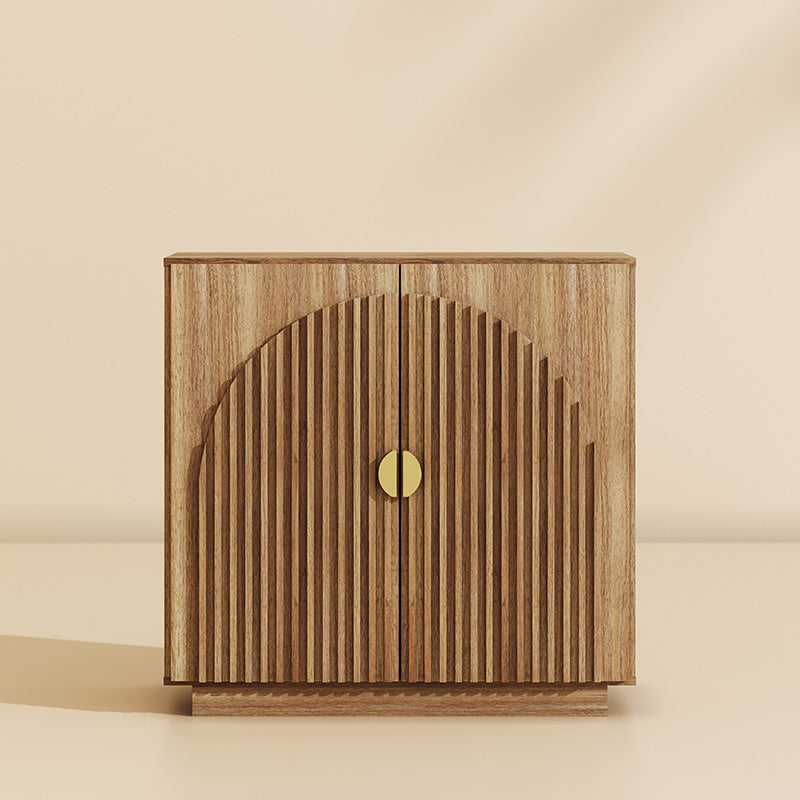
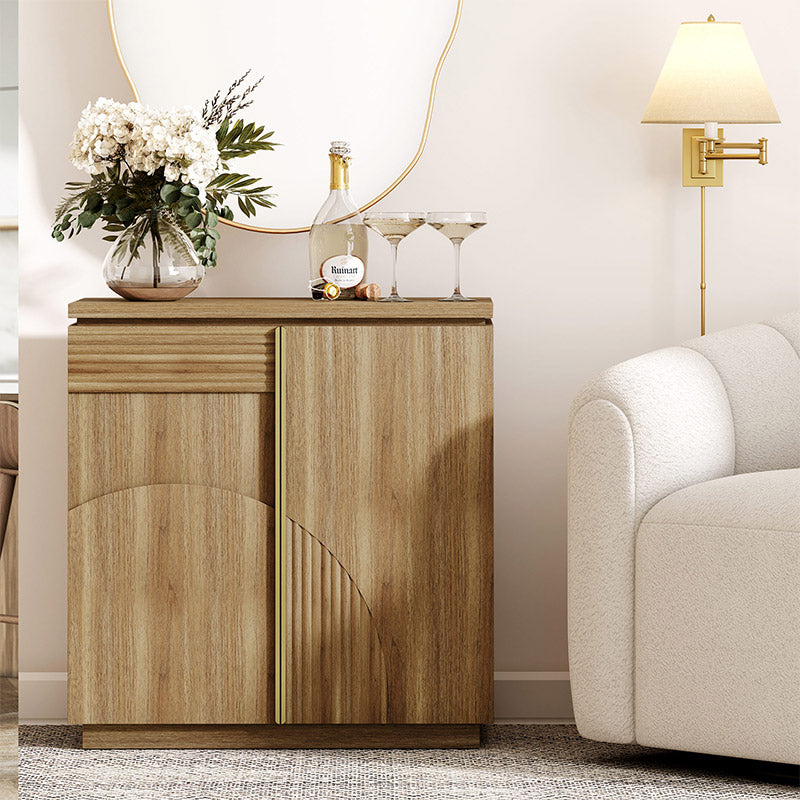
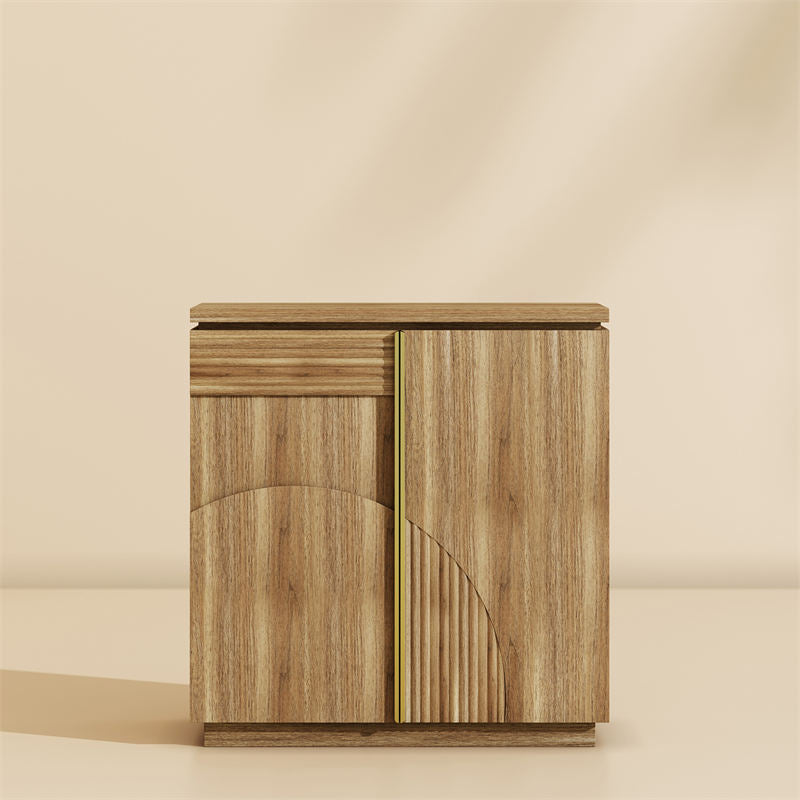
- Solid wood doors hide clutter completely. Paperwork, medicine, craft supplies—all out of sight. This works well when you want a clean, minimal look.
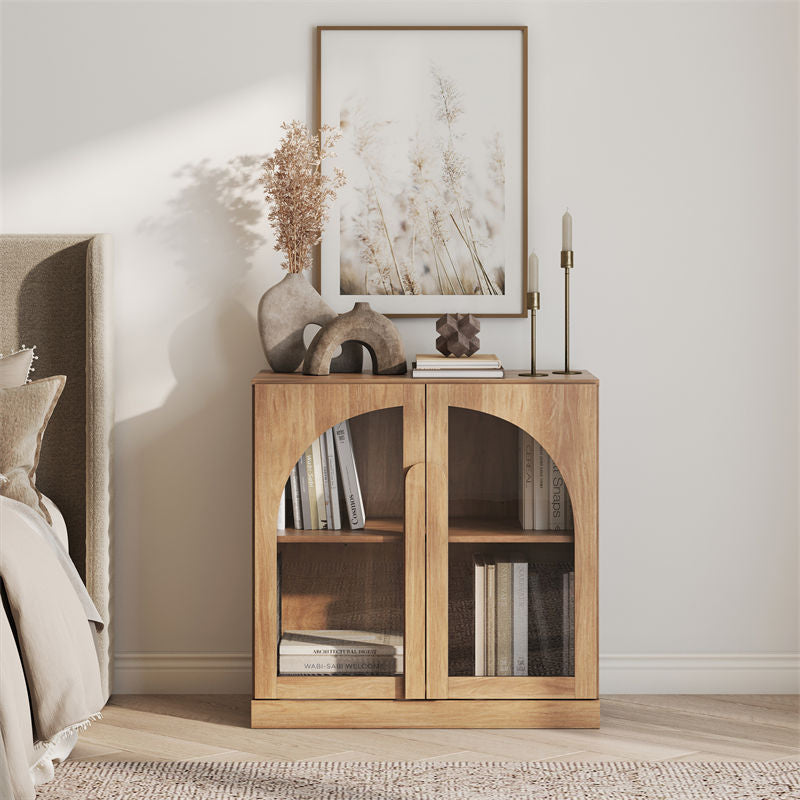
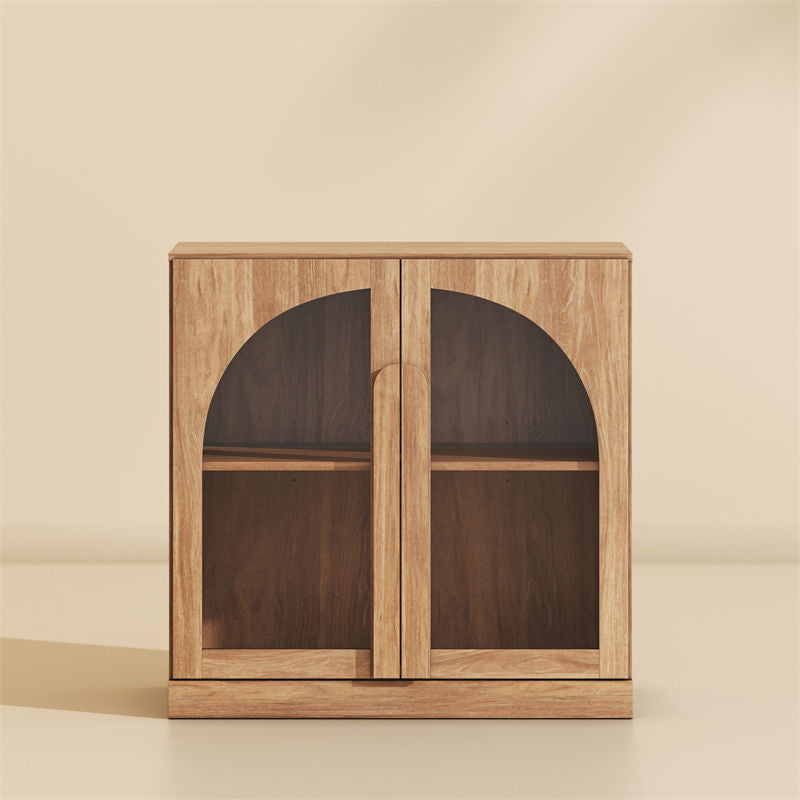
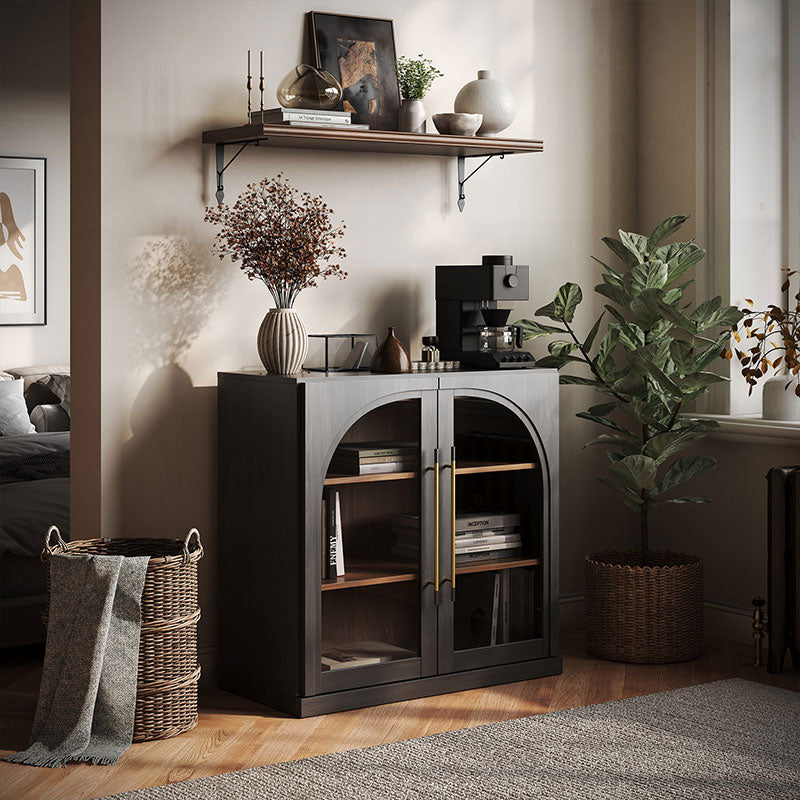
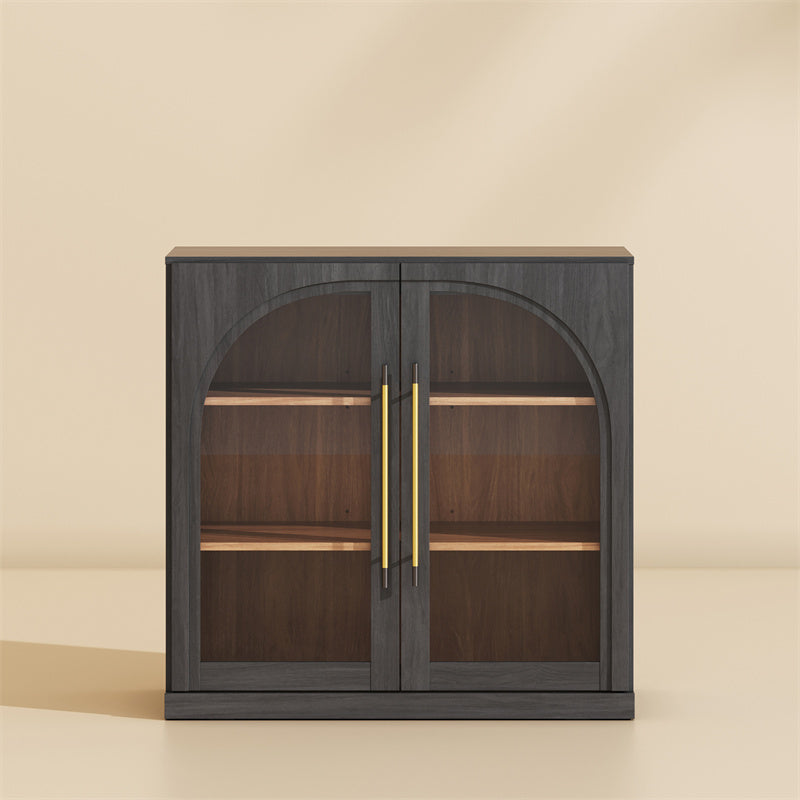
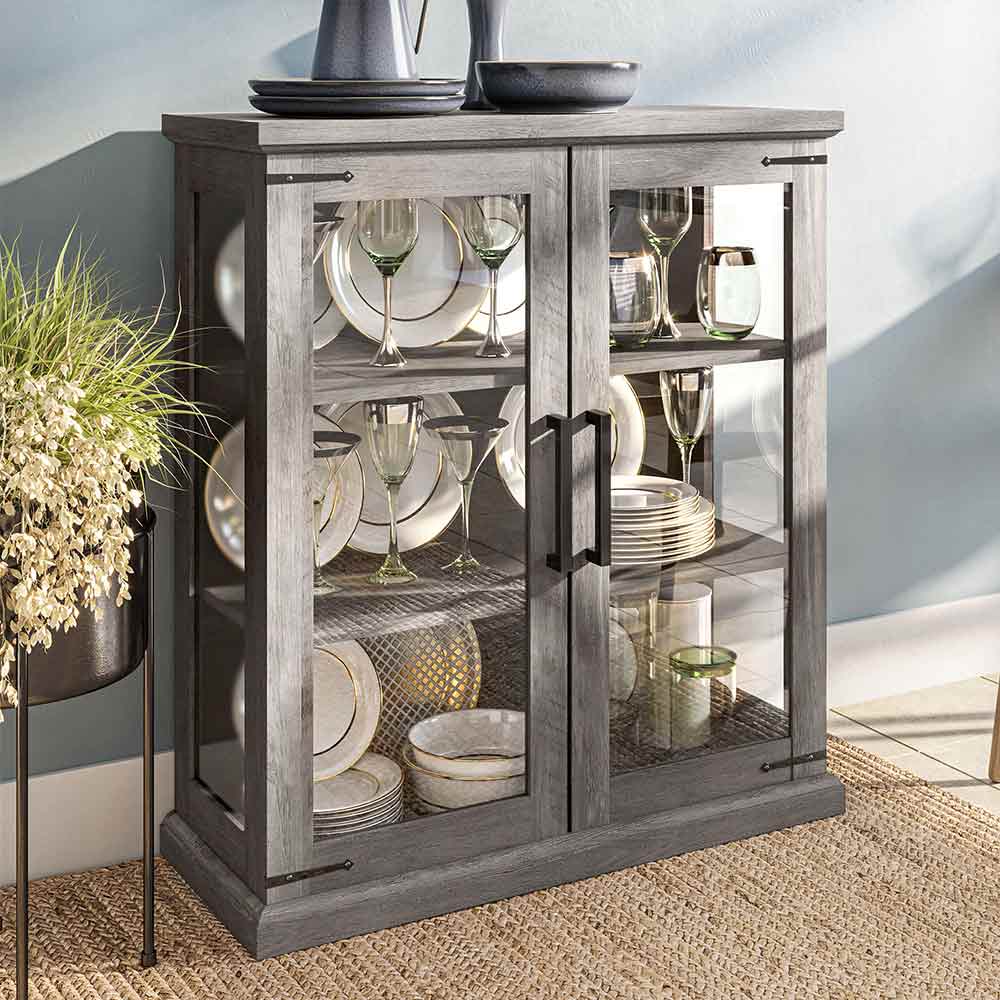
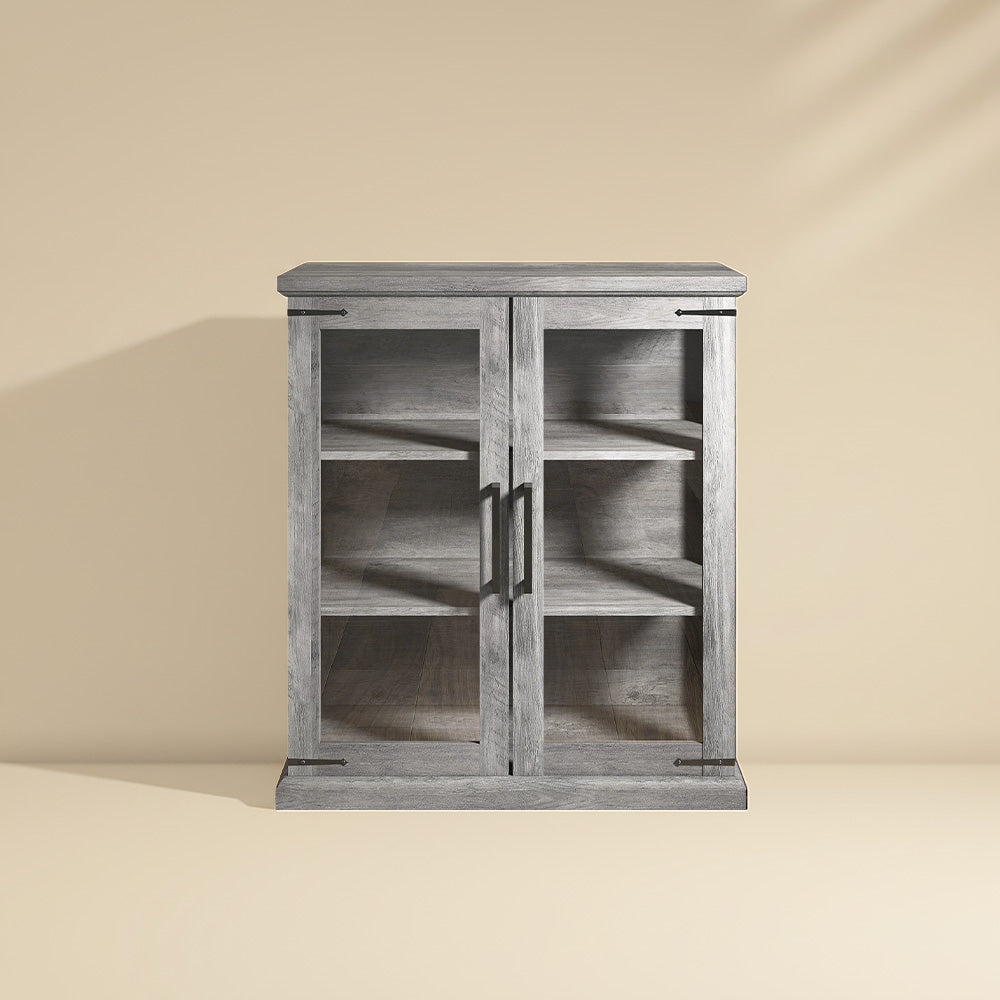
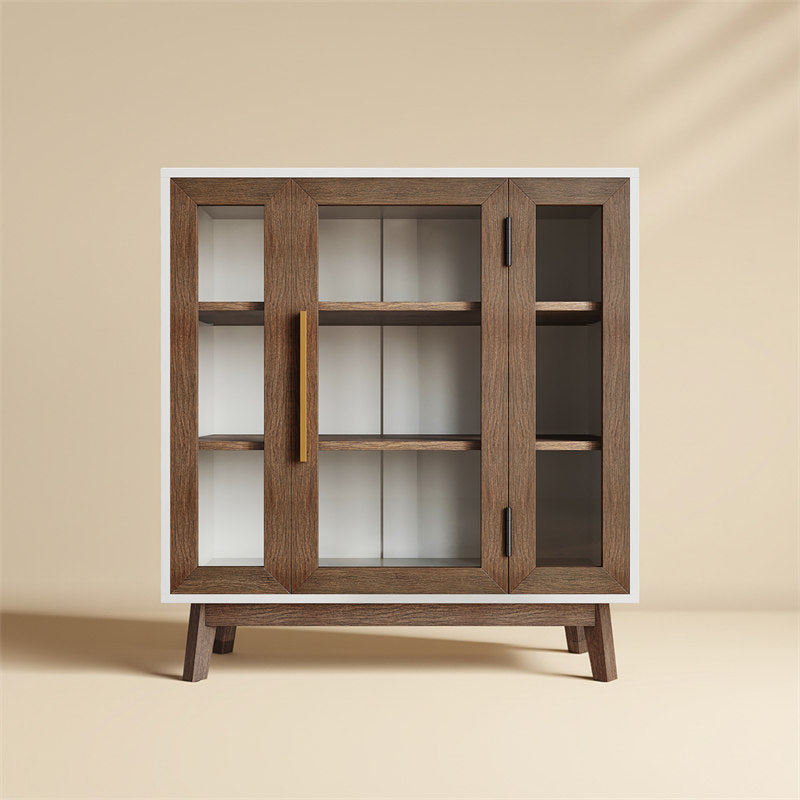
- Glass doors let you display items while keeping them dust-free. Dishes, books, or decorative pieces stay visible and accessible.
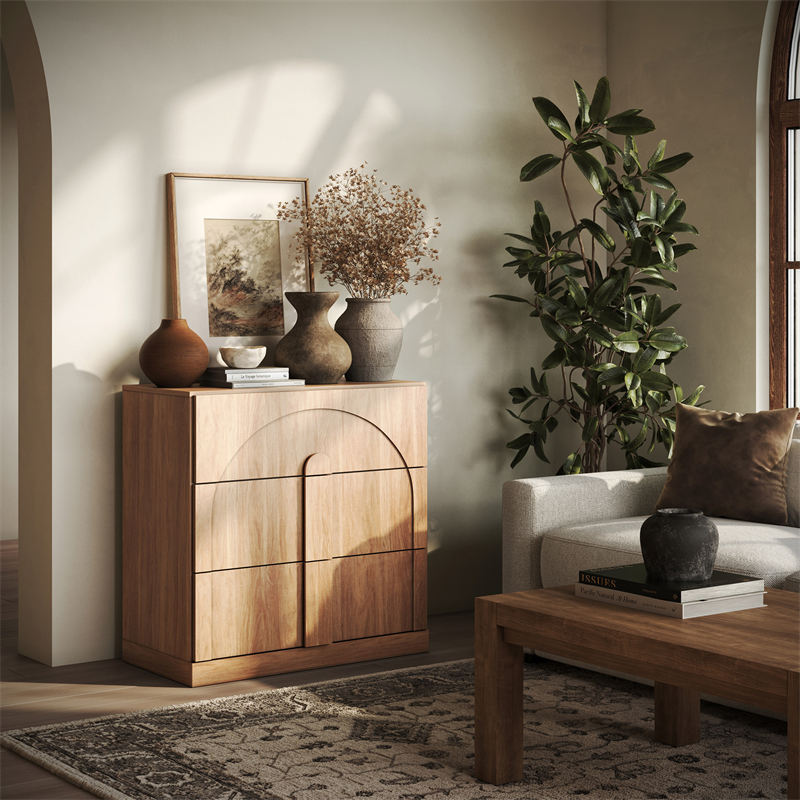
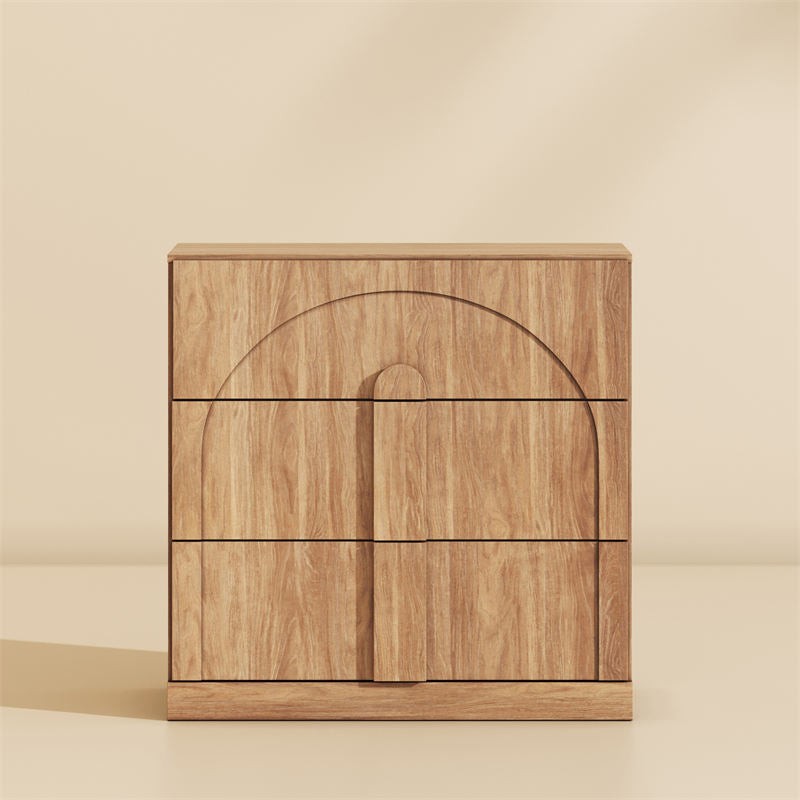
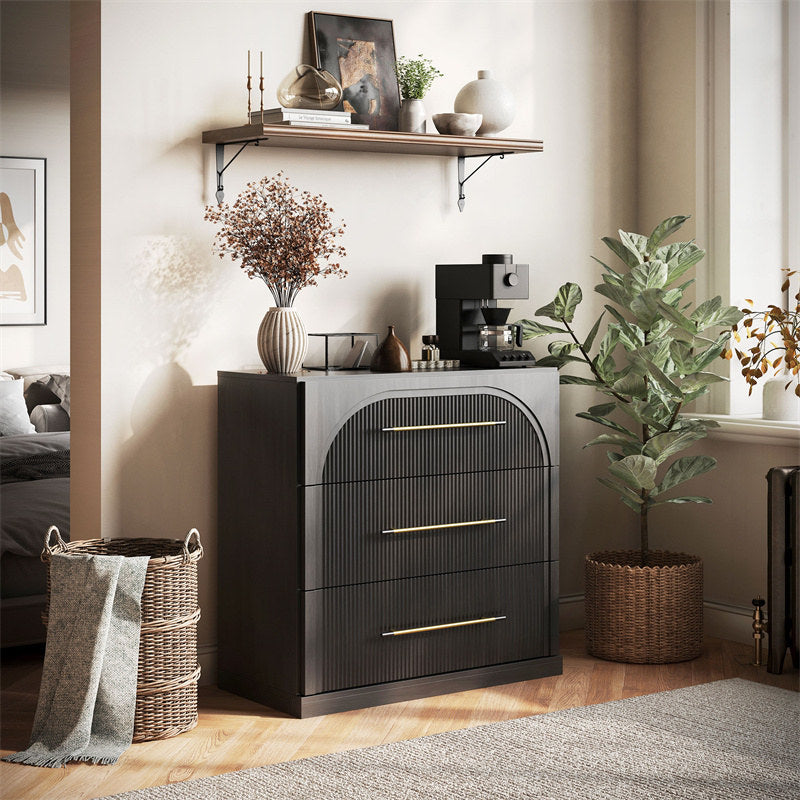
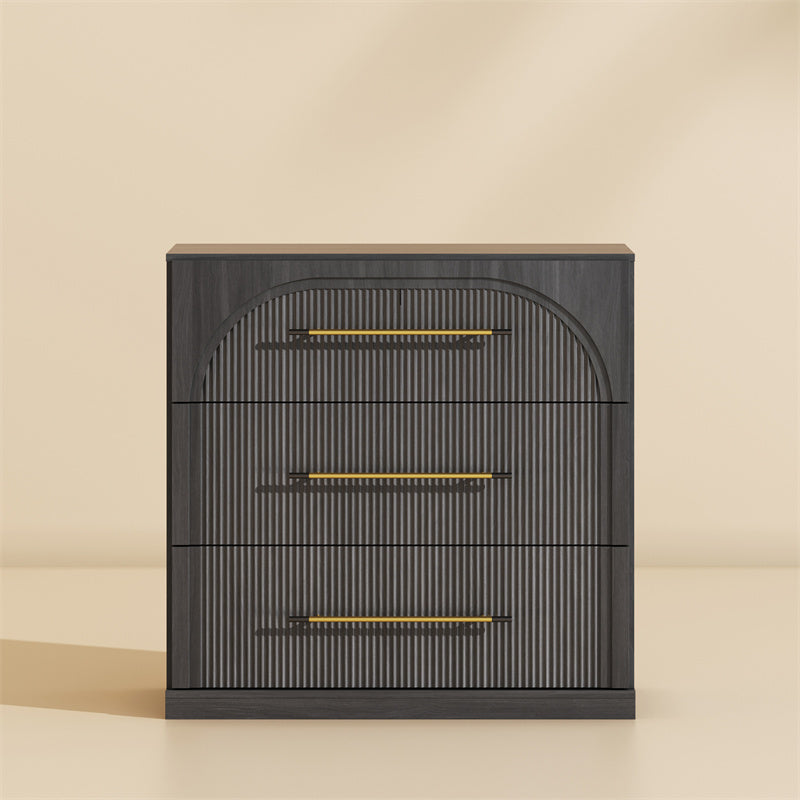
- Drawers organize small items that get lost in cabinets. Remote controls, chargers, office supplies—each drawer keeps things separated and easy to find.
Our modular sideboards offer another option. Use one unit alone or combine multiple pieces as your needs grow. Start small and expand later.
Where to Put a Small Sideboard
These compact units work throughout your home:
- Living room: Store remotes, blankets, and board games beside the sofa
- Bedroom: Keep extra linens or personal items at the foot of the bed
- Entryway: Create a drop zone for keys, mail, and everyday essentials
- Hallway: Add storage without blocking the path
For entryways specifically, our entryway cabinets collection offers pieces designed for high-traffic areas.
Find Your Fit
Start with width. Measure your wall space and allow a few inches on each side. Our small sideboards range from 31 to 35 inches wide—sized for apartments, condos, and compact rooms.
Then pick your storage style. Wood doors for hiding clutter. Glass for display. Drawers for small-item organization. Adjustable shelves work with any door type.
A well-chosen small sideboard keeps your home organized without making it feel smaller.
FAQ
What size sideboard works best in small spaces?
Most small rooms feel balanced with a sideboard around 30–36 inches wide and a shallow depth. This size gives you storage without blocking walk paths or crowding the room. If your wall is narrow, one small sideboard fits well. If it’s wider, two small units still keep the space light.
Do small sideboards offer enough storage?
Yes. A small sideboard is built to make tight spaces more useful.
Most designs include:
- adjustable shelves
- closed storage for clutter
- a top surface for decor or daily items
- room for dishes, books, or electronics
Even in apartments, you get practical storage without taking over the room.
Can a small sideboard work in entryways or apartments?
Definitely. A small modern sideboard fits well in areas that need storage but can’t handle large furniture.
They work in:
- apartments
- small dining areas
- living rooms
- entryways
- hallways
You gain storage but keep the layout open and easy to move through.
Should I choose wood doors, glass doors, or drawers for a small room?
Think about what you need to store:
- Wood doors hide clutter and keep the room looking clean.
- Glass doors make small rooms feel lighter and show decor without dust.
- Drawers hold keys, remotes, chargers, and other small items.
If your goal is a tidy look in a tight room, wood doors or drawers are usually the safest choice.
How do I choose the right small sideboard for my home?
Start with your wall width and traffic flow.
Then match the design to your real needs:
- Pick wood doors if you need hidden storage.
- Pick glass doors if you want the space to feel more open.
- Pick drawers if you handle a lot of small items.
- Combine two small sideboards if you need more storage without adding height.
This keeps your space organized without making it feel crowded.