


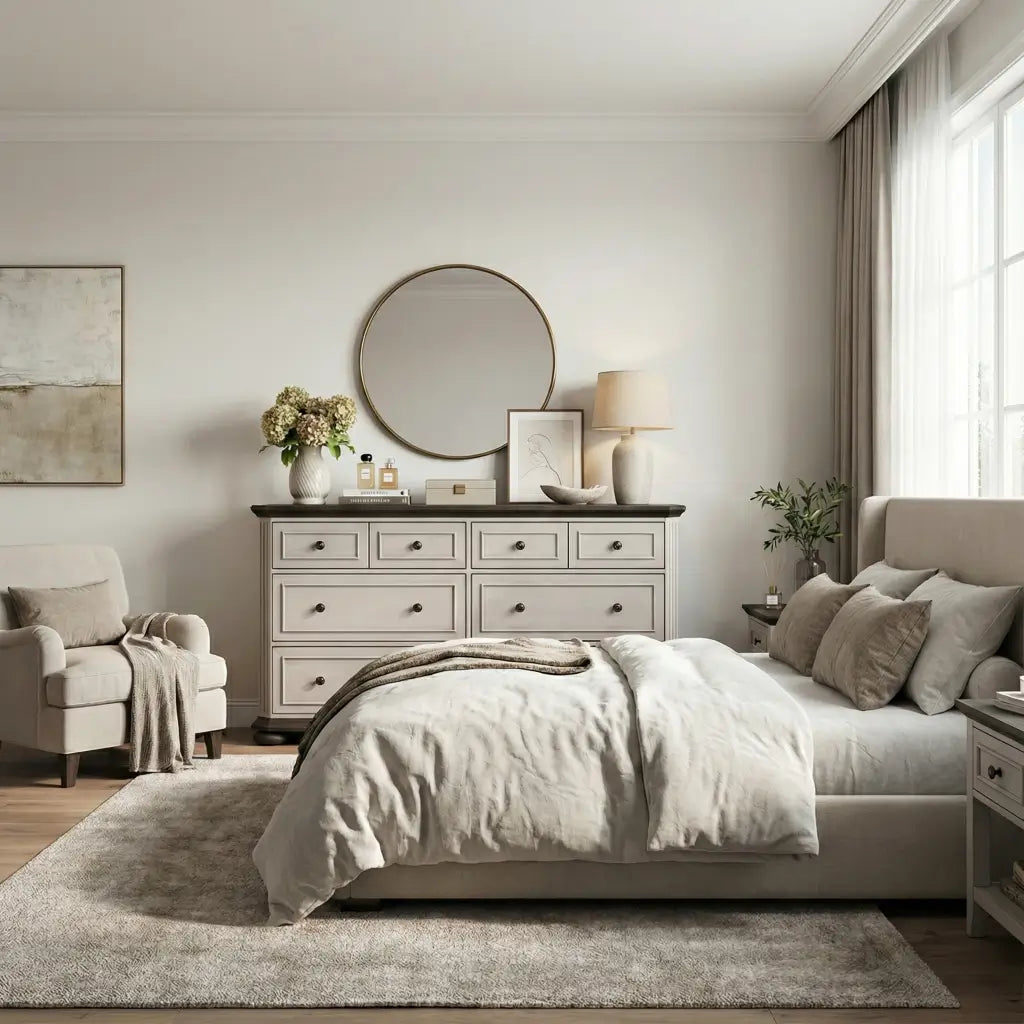
Picking a dresser feels simple, until you get it home and it won’t fit. Maybe it blocks your closet door. Or it makes your bedroom feel smaller than it should. Size matters more than most people think, and guessing rarely works out.
This guide walks you through standard dresser dimensions. You’ll learn how to measure your space and choose the right size for your room. No style talk here, just practical numbers you can actually use.
Quick answer
Horizontal dressers are usually 50 to 70 inches wide and 30 to 36 inches tall. Vertical chests are generally 24 to 40 inches wide and 44 to 60 inches tall. Most dressers are 18 to 24 inches deep, while usable drawer depth is typically 14 to 18 inches. Check the product dimensions and leave 30 to 36 inches in front for open drawers and a clear walkway.
Types of Dressers
Dressers come in two basic shapes: wide and low, or tall and narrow. The right choice depends mostly on how much floor space you have to work with.
Horizontal Dressers
These are the most common types you'll find in bedrooms. They sit about waist-high and stretch wide along a wall. Most horizontal dressers have two or three rows of drawers arranged side-by-side. The flat top gives you plenty of room for a mirror, TV, or framed photos.
Because they're low, horizontal dressers won't block your line of sight. This helps smaller rooms feel more open. The tradeoff? You need a long, empty wall to make one work.

Double Dressers
Think of these as the bigger sibling of horizontal dressers. They feature two wide columns of drawers—usually six to nine total.
Double dressers work well for couples sharing a bedroom. Each person can claim their own side. But they take up a lot of floor space, so measure your wall before committing. The extra-wide top also doubles as a vanity or changing table if you need it to.

Combo Dressers
These mix standard drawers with one or two cabinet doors. Inside those cabinets, you'll usually find shelves.
Combo dressers solve a specific problem: storing bulky items that don't fold flat. Sweaters, hats, handbags, and blankets fit better on shelves than crammed into drawers. The shape varies, but most combo dressers are shorter and wider—similar to horizontal styles.

Vertical Dressers
Also called "tallboys" or "chests of drawers," these stand tall and narrow. Drawers stack in a single column instead of spreading out. Vertical dressers are a smart pick for small apartments or tight bedrooms. They use very little floor space while still offering solid storage.

A few things to keep in mind:
- Top drawers can be hard to reach for kids or shorter adults
- There's almost no surface area on top for lamps or decor
- They work well tucked into corners or against narrow walls
With terms like "dresser," "chest," and "tallboy" used interchangeably, the naming can get confusing. Our guide on dresser vs chest of drawers breaks down what actually sets them apart.
Standard Dresser Dimensions
Sizes vary by brand, but most dressers fall into predictable ranges. Always check the specific product listing before you buy—these numbers are guidelines, not guarantees.
Height
Horizontal dressers typically stand 30 to 36 inches tall. At this height, the top surface sits right around your waist. Easy to access, easy to use as a display area. Vertical chests range from 44 to 60 inches tall. That puts the top somewhere between chest and eye level for most adults.
Nightstand hybrids—smaller dressers meant to sit beside a bed—usually measure 26 to 30 inches tall to match standard mattress height. Your ceiling height matters too. Tall ceilings can handle a tallboy without the room feeling cramped. Lower ceilings pair better with wide, low dressers that don't compete for vertical space.
Width
- Horizontal and double dressers: 50 to 70 inches wide. You'll need a substantial wall to fit one comfortably.
- Vertical chests: 24 to 40 inches wide. These tuck easily into corners or along narrow walls.

Depth
Most dressers measure 18 to 24 inches deep. This is how far the piece sticks out from the wall and into your room. Deeper dressers hold more clothing per drawer. But they can also block walkways or make a tight space feel tighter. If your bedroom has narrow pathways, aim for something on the shallower end.
One note on older furniture: antique or vintage dressers often run shallower—around 16 to 18 inches deep. Keep this in mind if you're mixing old and new pieces.
How to Measure a Dresser
Don't rely on guesswork. Grab a tape measure, write down your numbers, and bring both with you when you shop.
Measure Width
Start by measuring the wall where the dresser will go. Keep in mind that baseboards and trim can eat into usable space. Check for outlets and heating vents along that wall. You don't want to block either one. And leave at least 1 to 2 inches of space on each side so the dresser doesn't look crammed into place.
Measure Depth
Measure from the wall out into the room. Most dressers run about 20 inches deep, but that's not the full picture. Hardware matters too. Knobs and pulls can add another 1 to 2 inches to the total depth. Factor that in.
Here's the step most people forget: leave 30 to 36 inches between the front of the dresser and the bed or other furniture. This gives you room to open the drawers and maintain a usable walkway. If space is tight, our guide on where to put a dresser in a small bedroom covers placement strategies that work.

Measure Height
Measure from the floor up to any obstacles on the wall. Low window sills are common culprits—a dresser that blocks natural light will always feel like a mistake.
Planning to hang a mirror above the dresser? Make sure you have enough wall height left. Most mirrors add 20 to 30 inches to the visual stack. For specific guidance, see our tips on how high to hang a mirror above a dresser. Check for light switches, too. A tall chest can easily cover one up.
Entrance Clearance
Before you buy, make sure the dresser can actually get into your home. Measure the width of your front door, bedroom door, and any hallways along the path.
For tight corners or staircases, use the diagonal rule: measure from one corner of the dresser to the opposite corner. This diagonal length tells you whether you can navigate turns. If you have stairs, also check the ceiling height above them. Tight hallway turns are where most furniture gets stuck—or scratched.
Choosing the Right Dresser for Your Space
Matching furniture size to room size is key to a layout that works. Think about what you actually own and need to store—not just what looks good in a catalog photo.
Room Size and Layout
Small rooms do better with vertical chests. They use height instead of floor space, leaving more room to move around. Large master suites can handle wide double dressers. These pieces fill empty walls and provide storage for two people.
No matter the room size, keep at least 30 to 36 inches of walking space between the dresser and the bed. Anything less starts to feel cramped.
One more thing: heavy, dark wood dressers tend to make small rooms feel even smaller. Lighter finishes or slimmer profiles can help a tight space breathe. For a deeper look at matching dresser size to bedroom size, check out our guide on what size dresser you need for a bedroom.
Storage Needs
Not all drawers are created equal. The interior height matters just as much as the total number of drawers.
- Shallow drawers (4 to 6 inches high) work best for socks, underwear, and accessories.
- Deep drawers (7 to 8 inches or more) handle bulky items like jeans and sweaters.
- Combo dressers with cabinet sections help if your closet lacks hanging space.
- Kids' rooms benefit from lower, horizontal dressers. They're safer and easier for children to reach.
If you're working with limited square footage, our dresser storage ideas for small bedrooms offer ways to maximize every drawer.
Style and Function
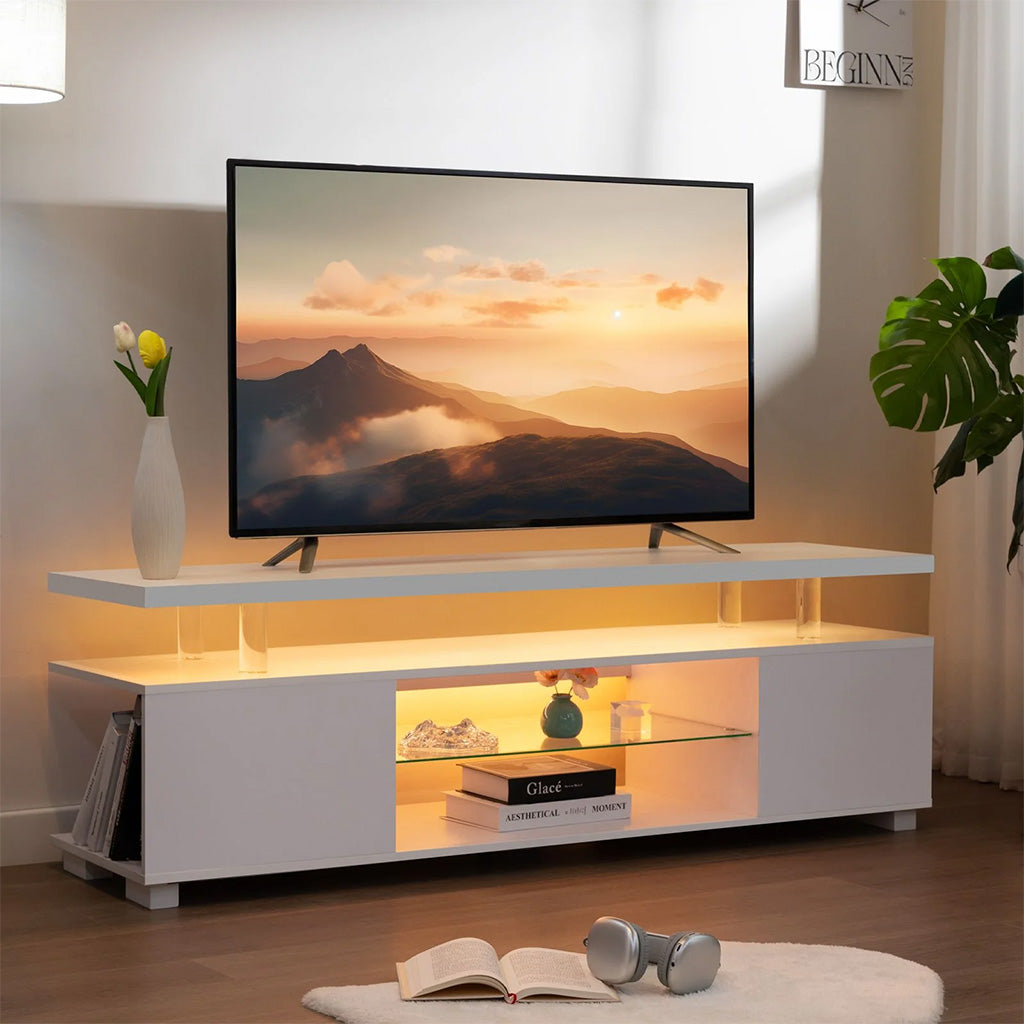
A dresser doesn't have to be single-purpose. A low horizontal dresser can double as a TV stand—ideal height is around 30 to 40 inches from the floor. If you're weighing different storage options, our comparison of dresser vs wardrobe can help you decide which fits your needs.
If you want a vanity setup, you'll need a horizontal dresser with a wide top surface. Vertical chests don't offer enough room for a mirror and daily essentials. As for aesthetics, choose a style that complements your bed frame. It doesn't need to match perfectly—just feel like it belongs in the same room.
Recommended Dressers by Size
Not every dresser works in every room. Here are three options sized for different spaces and storage needs.
Best Compact Dresser for Small Rooms
Jagger Fluted Modular Dresser – 3-Drawer Compact Storage
This compact dresser fits tight corners and short walls without overwhelming the room. At just 32.5 inches wide, it slides under windows or next to the bed—adding storage without taking over your layout. The fluted front adds texture while keeping the footprint small.
- Space-saving dimensions: 15.75"D × 32.5"W × 31.9"H
- Three smooth-glide drawers for daily essentials
- Textured fluted fronts for visual depth
- Modern chopstick-style handles
- Works well under low mirrors or windows
Best Wide Dresser for Larger Bedrooms
New Port 54" 6-Drawer Dresser – Wide, Low Storage
This wide, low dresser fills a large wall without feeling heavy. At 54 inches across, it balances generous storage with a low profile—ideal for mounting a mirror or TV above. The mix of shallow and deep drawers helps organise clothes more easily.
- Wide, low design: 15.7"D × 54"W × 31.1"H
- Six drawers with flexible depth
- Smooth pre-installed undermount slides
- Doubles as a low TV stand
- Great for shared bedrooms or larger layouts
Frequently Asked Questions
What is the difference between a dresser and a chest of drawers?
A dresser is wide and sits about waist-high. It typically has two columns of drawers and often pairs with a mirror. A chest of drawers stands tall and narrow, with drawers stacked in a single column. The main tradeoff: dressers use floor space, while chests use wall height.
How deep should dresser drawers be?
Internal depth (front to back) usually runs 14 to 18 inches. But internal height matters just as much. For everyday clothing, look for drawers at least 6 to 8 inches tall inside. Shallow drawers around 4 inches only work for smaller items like socks, underwear, or jewelry.
What size dresser do I need for a small bedroom?
A vertical chest around 30 inches wide tends to work best. Another option is a bachelor's chest—a compact unit with just three drawers. Wide double dressers eat up too much walking space in tight rooms.
Can I use a dresser in other rooms?
Yes. Low dressers double as media consoles in living rooms. They also work as buffets or sideboards in dining areas. In an entryway, they provide handy storage for keys, mail, and gloves.
How do I ensure a dresser is stable?
Anchor it to the wall. This step is non-negotiable if you have children or pets. Tall dressers are top-heavy and can tip forward when drawers are pulled open. Most new dressers include an anti-tip kit—install it right away. As a habit, open only one drawer at a time to keep the weight balanced.
Final Thoughts
Measuring takes five minutes but saves hours of frustration. Before you buy, use painter's tape to mark the dresser's outline on your floor. This simple trick shows exactly how much space you'll give up—and whether you can still move comfortably around the room.
Style matters, but fit matters more. A dresser that works with your space will always feel better than one that just looks good in photos.
Seeing real dresser dimensions side by side makes the final decision much easier. Explore available sizes and layouts in our full dresser collection.

Leave a comment
This site is protected by hCaptcha and the hCaptcha Privacy Policy and Terms of Service apply.