


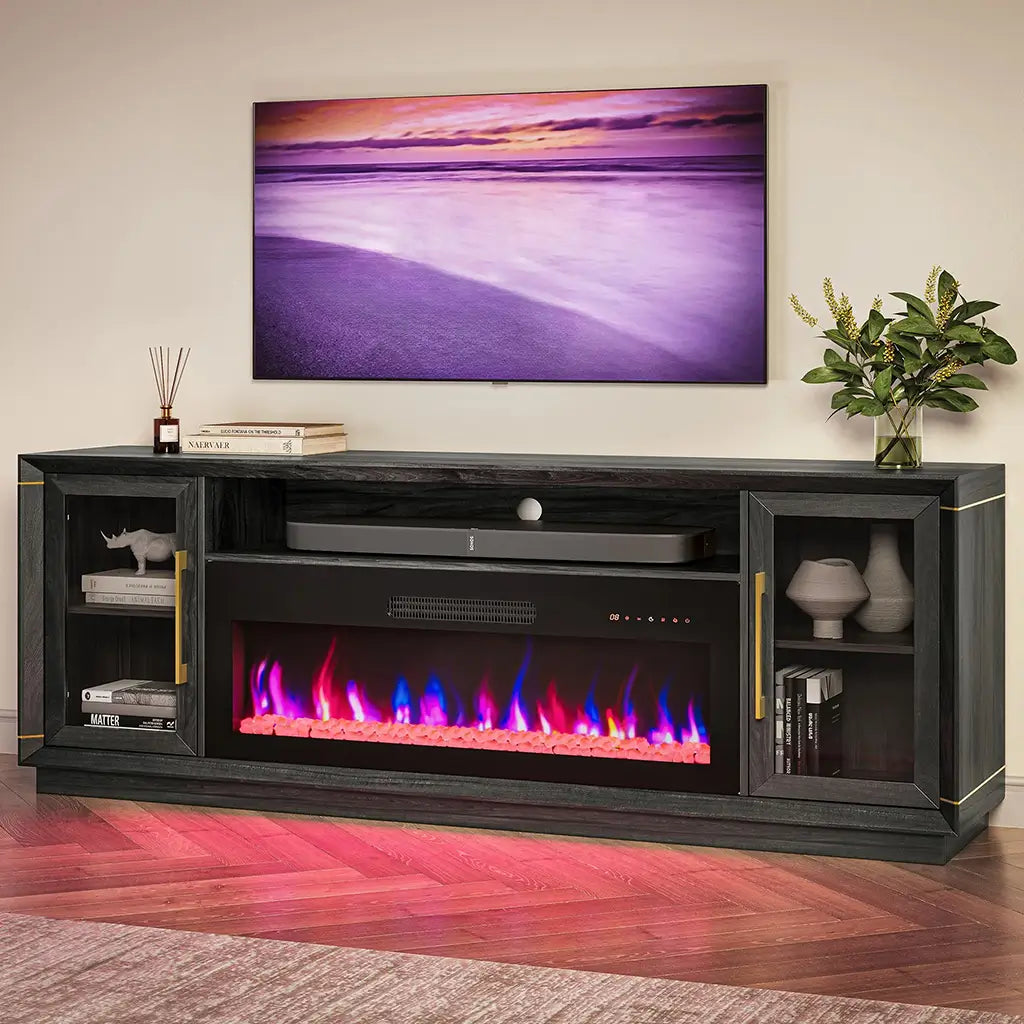
An 85-inch TV sounds like a serious upgrade. But here’s what often catches people off guard: that number only refers to the diagonal screen size. It doesn’t tell you how wide the TV actually is, and the real width is often larger than expected.
This isn’t something you want to figure out after the box arrives. An 85-inch TV takes planning, especially when it comes to wall space, furniture, and viewing distance. This guide breaks down the exact dimensions and explains how they affect whether the TV fits your room comfortably.
How Wide is an 85-inch TV in Reality?

That “85-inch” label refers to the diagonal measurement from one corner to the opposite corner. It’s a common source of confusion because it doesn’t describe how much horizontal space the TV actually takes up on your wall or furniture.
Diagonal Size vs Real-World Width
The screen itself spans about 74.1 inches (188.2 cm) wide. That number stays consistent across brands because it refers only to the active display area. However, this is not the final width you need to plan for.
Total Width Including Bezel and Frame
Once you factor in the bezel and outer frame, the total width increases. Most standard models from brands like Samsung, Sony, and TCL fall between 74.5 and 76 inches wide. Older designs or TVs with thicker bezels can reach up to 78 inches, which is why checking the exact spec sheet matters.
Depth and Weight Differences
Depth and weight are often overlooked, but they affect both wall mounting and furniture placement. Ultra-thin “AirSlim” models are roughly 1.1 inches deep, while Full Array Local Dimming (FALD) TVs can approach 3 inches. Weight also varies widely, from around 75 lbs for slimmer designs to well over 110 lbs for some high-end models, influencing mounting hardware and installation effort.
Why an 85-Inch TV Changes Your Room Planning?
An 85-inch TV isn’t just larger on paper—it changes how your room functions day to day. Size, weight, and heat output all introduce constraints that smaller screens don’t.
Installation and Handling Reality
In many cases, TVs of this size weigh close to or over 100 lbs. Safely moving or mounting one usually requires two or three people. This makes placement decisions harder to reverse once the TV is installed.
Traffic Flow and Heat Clearance
The sheer surface area can interfere with walkways and natural traffic paths. Beyond movement, heat buildup becomes a concern. Large panels generate significant warmth, and without adequate space around the TV, trapped heat can shorten the lifespan of internal components.
Practical check before buying: use blue painter’s tape to outline the TV’s full dimensions directly on your wall. Living with that outline for a few days gives a realistic sense of how much visual and physical space the screen will occupy.

Minimum TV Stand Width for an 85-Inch TV
Furniture compatibility is where many buyers run into trouble. Modern 85-inch TVs place very different demands on a stand than older, smaller models.
Why Modern Designs Need Wider Stands
Most current 85-inch TVs no longer use a central pedestal. Instead, they rely on wide “blade” feet positioned toward the edges for stability. This immediately rules out many narrow media consoles.
Foot Spacing Varies by Brand
Foot spacing is not standardized. Sony models often sit around 61 inches apart, while Hisense and LG designs can spread from 66 inches up to 70 inches. This variation makes measuring essential before choosing a stand.
Stand Width, Materials, and Visual Balance
A 60-inch console is typically too narrow, and even a 70-inch stand can leave the feet unsupported. Materials also matter—lightweight particleboard or honeycomb-core tops can bow or fail under concentrated loads.
For visual balance, many designers follow the “Triangle Rule,” where the furniture appears wider than the TV. A stand around 83 inches wide creates a more stable, proportional look.
An example is the Brixston 83-inch Modern TV Stand, which offers adequate width for wide-set feet. Its 90-lb top limit means it’s best paired with lighter AirSlim TVs or used alongside wall mounting, where the stand supports accessories rather than the TV itself.
Wall Width vs TV Width: The Overlooked Constraint
Just because the TV fits on the wall doesn't mean the installation works. Physical fit and proper fit are two different things.
Physical Clearance vs Proper Installation
You need about 4 inches of clearance on all sides for ventilation. Electronics generate heat, and that heat needs somewhere to go. Trapping it against walls or ceilings shortens the TV's lifespan.
Think about the actual installation process too. Someone has to grip and lift a 100+ lb panel onto a mounting rail. Without enough space around the edges, there's no room for hands to safely maneuver the TV into place.
Cable Routing and Port Protection
Cables need attention as well. HDMI and power cords have a minimum bend radius. Forcing them into tight corners can damage the ports or break the cables over time.
Visual Boundaries and Usable Wall Width
From a design standpoint, a TV jammed against doorframes or corners looks cramped. It draws attention to the tight fit rather than the screen itself.
Add it all up, and you need approximately 90 inches of clear wall space to mount an 85-inch TV properly. If you're unsure about exact clearances for your layout, check our TV Stand Size Guide for a complete breakdown of placement rules.
Can an 85-Inch TV Sit on a Fireplace or Console?

The fireplace mantel seems like a natural spot for a big TV. But the numbers rarely work out.
Depth and Stability Limits
Most mantels are only 6 to 8 inches deep. The feet of an 85-inch TV need 12 to 17 inches of depth to stay stable. Anything less creates a serious tipping hazard.
Height and Building Code Constraints
Building codes add another problem. Many require 12 to 24 inches of clearance above the firebox opening. That pushes your TV uncomfortably high on the wall, which leads to neck strain during long viewing sessions.
Standard dressers create similar issues. Most stand around 36 inches tall, which places the screen far above comfortable eye level.
Heat Damage Risks
Heat is the hidden danger. Rising warmth from an active fire can damage liquid crystal panels and dry out internal capacitors. Even gas fireplaces produce enough heat to cause problems over time.
When a Fireplace Setup Can Work (With Conditions)
If you love the fireplace aesthetic, units like the Avenue 79" Fireplace TV Stand can anchor your room visually. But this only works if the TV is wall-mounted above or beside the unit.
Never place an 85-inch TV directly on furniture like this. The Avenue unit is narrower than the screen and rated for 70 lbs. It's designed for decor and media storage, not as a TV platform.
Viewing Distance and Height
An 85-inch screen dominates your field of view. Getting the distance and height wrong leads to eye strain and neck pain faster than you'd expect.

Recommended viewing distance
Sitting too close forces your eyes to constantly scan left and right to follow the action. It feels like watching a tennis match instead of relaxing with a movie.
Different standards offer different recommendations:
- THX (cinema standard): minimum distance of roughly 8.5 feet
- SMPTE (general TV viewing): ideal distance of about 11 feet
With 4K resolution, you can technically sit closer—around 7 to 8 feet—without seeing individual pixels. The image stays sharp. But this doesn't solve the physical discomfort. Your neck still strains from the wide viewing angle, and fast-moving content can trigger motion sickness at close range.
Counting height
Screen height matters as much as distance. The center of the TV should align with your eye level when you're seated in your usual spot.
Here's how the math works:
- Average seated eye height: about 42 inches from the floor
- Center point of an 85-inch TV: roughly 21.5 inches up from the bottom edge
- Ideal TV stand height: approximately 20 inches
This is where most furniture fails. A standard 36-inch dresser puts the screen center at nearly 58 inches high. That forces a 15 to 20 degree upward gaze angle.
Looking up might feel fine for a few minutes. But after an hour or two, your neck muscles fatigue. Watch a full movie from that angle and you'll feel it the next morning.
When Not to Buy an 85-Inch TV?
Sometimes your home's layout simply won't accommodate this screen size. Forcing it leads to problems that outweigh the benefits. A high-quality 75-inch TV in the right setup beats an 85-inch crammed into the wrong space.
Short viewing distance
Skip the 85-inch if your seating puts you less than 8.5 feet from the screen. Your eyes will strain from constantly scanning such a large display at close range.
Here's a quick room depth check: if your space measures less than 10 feet from wall to wall, you're likely too close. Factor in the TV depth, wall mount, and sofa positioning, and there's simply not enough distance left.
Limited wall or cabinet width
Pass on this size if your available wall space measures under 85 inches. Without at least 4 inches of clearance on each side, heat builds up and shortens the TV's life.
Cabinet width matters too. Placing an 85-inch TV on furniture under 80 inches wide creates a top-heavy look that feels unstable and visually awkward.
Small fireplace opening
Standard fireplace mantels run about 60 inches wide. An 85-inch TV will overhang the sides significantly, looking unfinished and precarious.
The heat issue is worse here. With the firebox often just 12 to 24 inches below the mantel, rising warmth will damage the panel over time.
Narrow entryways
Check your delivery path before ordering. The box measures roughly 45 inches tall and 85 inches long. Many older homes have doorways between 30 and 32 inches wide. Tight hallway turns create additional obstacles. If the box can't get inside, you're stuck.
High traffic or open-plan
Avoid placing the TV where people regularly walk between the sofa and wall. The screen and stand protrude about 18 inches into the room, creating a trip hazard.
Kids running through or guests cutting across the space can easily bump into the panel. One accidental collision can crack a screen this large.
Is an 85-Inch TV Right for Your Space?
An 85-inch TV requires planning that goes beyond picking a model and placing an order. Treat it as a renovation project rather than a simple tech purchase.
Before buying, confirm you have roughly 90 inches of clear wall space and at least 10 feet of room depth. Your furniture needs to be at least 85 inches wide and strong enough to handle over 100 lbs.
If your room doesn't meet these requirements, consider a premium 75-inch model instead. You'll get a better viewing experience without fighting your space.
Related Reading:

Leave a comment
This site is protected by hCaptcha and the hCaptcha Privacy Policy and Terms of Service apply.